Chemotherapy Side Effects: What to Expect and How to Cope
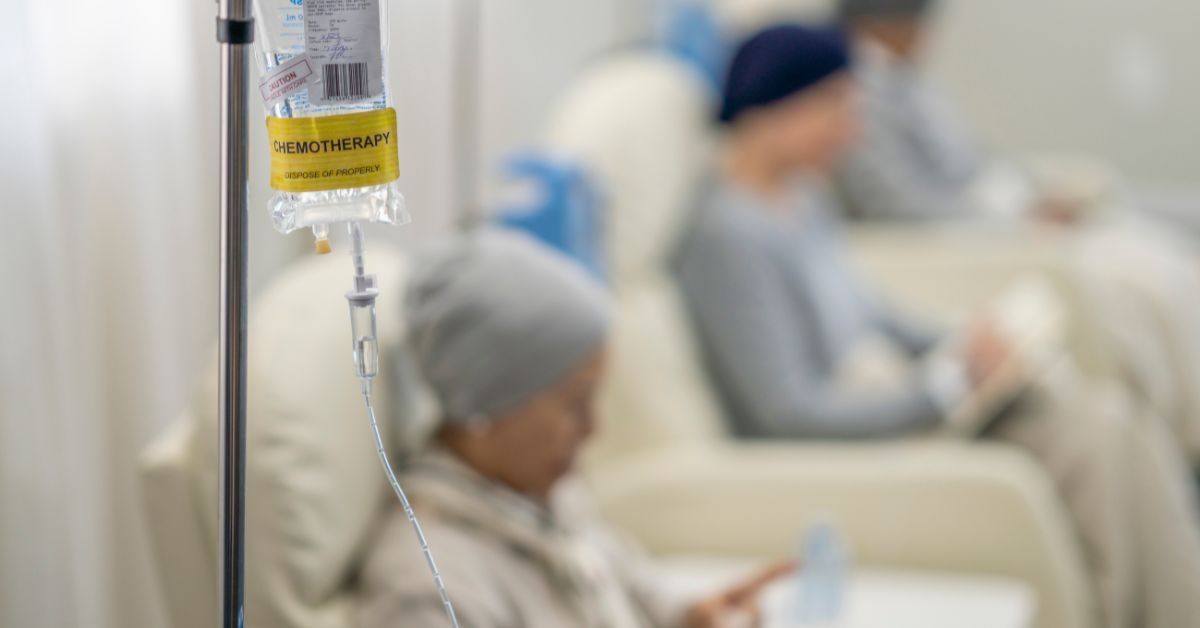
Chemotherapy is a powerful cancer treatment, but it often comes with side effects that can shake up daily life. When you or a loved one is going through chemo, it helps to know what might happen and how to handle it. This guide will walk through common chemotherapy side effects, why they happen, and some practical tips to cope along the way. It’s not a sterile list from a textbook it’s an honest look at what many patients experience, with a focus on those in Singapore seeking support.
Why Does Chemotherapy Cause Side Effects?
Chemotherapy drugs target cells that grow quickly. That’s how they attack cancer. But they can also hit normal cells that grow fast, like those in your bone marrow, digestive tract, hair follicles, and reproductive system. This collateral damage is what brings on side effects. In short, chemo doesn’t only kill cancer cells it affects some healthy cells too, and that’s why people often feel unwell during treatment.
Most of these normal cells can recover once treatment stops, so many side effects are temporary. But during chemo, as the body’s doing its best to heal, you might face anything from fatigue to hair loss. Different drugs cause different problems, and each person reacts in their own way. Your oncologist or pharmacist usually gives a rundown of likely side effects before treatment starts, but it’s hard to predict exactly how you will feel.
How Long Do Side Effects Last?
A question on many minds: will these awful feelings ever end? The good news: most side effects gradually disappear after treatment ends. Normal cells bounce back once the chemo is over, though it can take time and the timing varies for each person. Some side effects show up right after a chemo session and then fade in a few days. Others might persist throughout the course of treatment. A few can even pop up after treatment or last longer, but those tend to be the exception rather than the rule. For example, you might feel nauseated the day of chemo and a couple of days after, or you might feel tired for weeks.
Doctors and nurses often reassure patients that many chemo side effects can be managed or reduced with medication. Anti-nausea drugs, pain relievers, growth factors for blood counts there are tools to help. Knowing this can relieve some anxiety. And remember, you won’t get every side effect under the sun; nobody does. Your experience will be uniquely yours.
Now, let’s break down the common side effects one by one, and talk about coping with each.
Fatigue and Tiredness
One of the most universal side effects of chemotherapy is fatigue a deep tiredness or lack of energy. It’s not just feeling a bit sleepy; it can be an exhaustion that makes even simple tasks hard to do. Your arms and legs might feel heavy, and you may struggle to concentrate or think clearly. This can be physical, mental, and emotional exhaustion all rolled into one.
There isn’t one single cause for chemo fatigue. The cancer itself can sap energy, and chemo might lower your red blood cells (causing anemia), upset your nutrition, or mess with your sleep. All of these make you feel worn out. In fact, fatigue is so common during chemo that many consider it a part of the treatment experience.
Coping Tips: Listen to your body and rest when you need to. It sounds obvious, but many people try to “power through” and do everything like normal often ending up more exhausted. If you feel too tired to get out of bed for a whole day, or if you’re so drained that you feel confused, tell your doctor or nurse. They might check for treatable causes like anemia or thyroid issues, or adjust your treatment schedule. Gentle exercise (like a short walk) when possible can actually help boost energy in the long run, but balance that with plenty of rest. And don’t be shy about asking for help with chores or errands when fatigue hits hard family and friends often appreciate knowing how they can support you.
Nausea and Vomiting
Nausea and vomiting are the side effects everyone seems to worry about the most, and with good reason nobody likes feeling sick to their stomach. Many chemotherapy drugs can make you feel queasy or even make you throw up. For a lot of patients, the nausea is worst on the day of the treatment and the day or two after. Some unlucky ones might feel waves of nausea for up to a week. It really depends on the specific drugs and your own sensitivity.
The silver lining is that nowadays doctors have a whole arsenal of anti-vomiting (anti-emetic) medications to help. In fact, you’ll often be given preventive anti-nausea meds before or with your chemo. It’s common to go home with prescriptions for pills to take in the days following treatment too. Be sure to take them as instructed, even if you feel okay it’s easier to prevent nausea than to stop it once it starts. If despite medication you’re still throwing up or unable to keep fluids down for more than 24 hours, call your healthcare team. Severe or prolonged vomiting can lead to dehydration, which you definitely want to avoid.
Coping Tips: In addition to medications, some diet tweaks can make a difference. Eat small, frequent meals instead of a few big ones. Have a little something bland in your stomach an empty stomach can sometimes make nausea worse. Dry crackers, toast or cereal, clear soups, or ginger tea are classics for settling an upset stomach. Many patients in Singapore swear by plain porridge or light noodle soup when they’re nauseated. It might help to avoid strong smells or spicy, greasy foods on chemo days. If the smell of cooking makes you ill, see if someone else can prepare meals, or stick to cold foods which have less odor. Sometimes nausea can be triggered by eating right before chemo, so consider timing your meals a few hours before your appointment. And keep sipping fluids (water, isotonic drinks, ginger ale) throughout the day to stay hydrated, taking small sips if you can’t tolerate a lot at once.
Appetite Loss and Taste Changes
Chemotherapy can really do a number on your appetite and sense of taste. Food might start to taste bland or oddly metallic. Things you used to love could suddenly make you gag, or you just might not feel like eating at all. These changes happen because the treatment affects the cells in your mouth and taste buds, as well as causing general feelings of sickness that turn you off food. It’s common for taste and smell to change during or after chemo, but the good news is that normal taste usually comes back a couple of months after treatment ends.
Not eating well can lead to weight loss, weakness, and slower healing, so we do want to tackle this. But forcing yourself to eat big meals when you feel sick isn’t the answer. Instead, try eating small portions more often even if it’s just a half cup of soup here, a spoon of peanut butter there. High-protein, high-calorie snacks can help keep your energy up; think of things like yogurt, cheese, nuts, or even a milkshake. Some patients find cold foods (sandwiches, fruit smoothies) easier to tolerate than hot meals when they have nausea or taste changes.
If meat tastes bitter or metallic (a common complaint), you can get protein from dairy, eggs, beans, or fish which might be more acceptable. Sour candies or mints can help mask a bad taste in the mouth temporarily. Also, good mouth care is important a gentle rinse or brushing your teeth before meals can clear any chemo aftertaste and make food a bit more palatable.
Remember that loss of appetite can also be affected by mood and stress. The whole cancer experience is a lot to digest (pardon the pun), and anxiety or depression can dampen appetite too. If you’re losing weight or really struggling to eat, let your care team know. They might involve a dietitian to give more tailored advice. In Singapore, many cancer centers have dietitians on staff, and they can suggest local foods or supplements that pack nutrition into small volumes (like fortified drinks or high-calorie powders you can add to porridge). The key is to maintain enough protein and calories so your body can repair tissues and keep your strength up.
Mouth and Throat Sores (Mucositis)
Some chemo drugs cause mucositis, which is a fancy word for painful sores in the mouth and throat. If the lining of your mouth thins and breaks, you can get ulcers or white patches that hurt, especially when eating or drinking. It can feel like a bad case of strep throat or like you burned your mouth on hot pizza, except it can last days or weeks. Not fun at all. These sores also can become infected, because your immune defenses are down.
If you notice redness, ulcers, or white patches in your mouth, or if it suddenly hurts to swallow, let your doctor or nurse know. They’ll likely check for any fungal infection (thrush is common during chemo) or other causes. There are gels and special mouthwashes that can numb the pain or help sores heal faster. Sometimes, if mouth sores are severe, the chemo doses might be adjusted.
Coping Tips: Prevention and good mouth care are key. From the start of chemo, use a soft toothbrush and keep up gentle oral hygiene. Rinsing your mouth regularly with a mild solution can help for example, a saltwater rinse (half a teaspoon of salt in a cup of warm water) a few times a day. Some folks use baking soda rinses or specific mixtures recommended by their care team. Avoid alcohol-based mouthwashes; they will sting and dry your mouth more. Stay away from very spicy, acidic, or rough-textured foods (like chips or crusty bread) if your mouth is tender. Cool, smooth foods think yogurt, ice cream, shakes, soup are soothing if you have sores. Drinking through a straw can bypass some of the soreness if swallowing hurts. And if you do get a sore, check with your care team about medications: there are protective coating agents and pain relievers (like lidocaine gel) you can swish around to numb the area so you can eat and drink more comfortably.
Skin and Nail Changes
Your skin and nails can show signs of chemo’s toll too. Skin might get dry, peel, or become more sensitive. Some people notice their skin gets darker in certain areas or more prone to itchiness. You might sunburn more easily, because chemotherapy can make your skin sensitive to the sun. Nails can become brittle, form ridges, or even loosen and fall off in rare cases. It’s a bit startling, but if a nail does fall off, usually a new one will eventually grow back after treatment.
Coping Tips: Treat your skin gently. Use mild, fragrance-free soaps and moisturizers to combat dryness. It can help to apply moisturizer daily, especially after baths or showers, to lock in moisture and prevent cracking. Since skin can get more sensitive, avoid harsh sunlight wear sunscreen and protective clothing when outdoors, and maybe skip the noon sun altogether. For itching, ask your doctor if an anti-itch lotion or antihistamine could help. With nails, keep them trimmed short and clean to avoid catching on things. Wearing gloves during chores (like washing dishes or gardening) can protect your nails and skin. If your nails become dark or discolored, it’s usually temporary. Some patients also report changes like their cuticles hurting or nail beds getting inflamed; soaking fingertips in lukewarm water and keeping hands clean can help avoid infection in the nail area.
In some chemo regimens, hand-foot syndrome can occur redness, pain, or peeling on the palms of the hands and soles of the feet. If you experience this, let your care team know. Cooling your hands and feet, avoiding hot water, and applying creams can manage mild symptoms, but severe cases might need dose adjustments. The bottom line is, pay attention to these small signs on your skin and nails, and bring them up during check-ups. They might seem minor compared to nausea or fatigue, but they are part of the whole picture of how you’re tolerating treatment.
Hair Loss (Alopecia)
Perhaps the most well-known side effect of chemo is hair loss. Not all chemotherapy causes hair to fall out, but many of the common drugs do. Usually, you’ll get a heads-up if your specific regimen is likely to cause hair loss doctors or nurses will tell you if it’s expected. When it happens, it can be quite upsetting even if you thought you were mentally prepared. Hair is a part of our identity, and seeing it come out can make the cancer experience feel all too real.
Hair loss typically doesn’t happen immediately. Most patients notice hair starting to thin or shed about 2–3 weeks after starting chemo. It might fall out gradually or in clumps. Some wake up to hair on the pillow; others notice it clogging the shower drain. You can lose hair not just on your head, but also eyebrows, eyelashes, and body hair in some cases. This process is usually temporary. Hair almost always grows back after chemo often starting a month or two after treatment finishes, though it can take 6-12 months to come back fully. Interestingly, the first crop of regrown hair can have a different texture or color. It’s not uncommon to hear stories like curly hair turning straight, or dark hair coming back lighter. Over time, it may return to its old self, or you might enjoy a new style.
A cancer survivor in Singapore wearing a colorful headscarf and smiling. Many patients find creative ways to cope with chemo-related hair loss scarves, caps, wigs and embrace a positive outlook through treatment.
Coping Tips: If you know hair loss is likely, some patients choose to cut their hair short or even shave it early on. That way, the shedding is less dramatic and it’s a bit easier to manage. Using a mild shampoo and soft hairbrush can be gentler on your scalp and might slow hair fall a little (though if the drug causes hair loss, there’s unfortunately no way to prevent it completely). The scalp can be tender when hair is falling out, so treat it kindly avoid hair dryers, straighteners, or harsh chemicals. If your head feels cold or sensitive, wearing a soft cap or scarf even at home helps.
Many people opt for wigs, hats, or scarves. In Singapore, the hospitals and cancer support organizations can point you toward wig banks or shops. If you plan on getting a wig, it’s often suggested to do so while you still have some hair, so you can match the color and style more closely to your natural look. But you can also have fun with it some see it as a chance to try a new hairstyle. Scarves and turbans are popular in our warm climate; they’re light and can be stylish. There’s even a bit of a community around scarf-tying techniques among chemo patients.
Emotionally, losing your hair is tough. It’s okay to feel angry, sad, or self-conscious those feelings are valid. Talk about it with someone you trust. Nurses often have great practical tips and can arrange for programs like the “Look Good, Feel Better” workshops where you learn beauty techniques to manage appearance changes during treatment. These sessions, available in Singapore through cancer support groups, can teach you how to draw on eyebrows or tie headscarves, and more importantly, they connect you with others going through the same thing. Many patients feel a boost in confidence from that camaraderie and knowledge.
Infection Risk (Low White Blood Cells)
Chemotherapy can weaken your immune system by reducing your white blood cell count. White blood cells (especially a type called neutrophils) are your body’s infection fighters. When they drop (a condition often called neutropenia), you become more susceptible to infections that your body would normally handle easily. A simple cold or a minor cut could potentially turn into something more serious. This is why doctors pay close attention to your blood counts during chemo you’ll probably get regular blood tests to monitor this.
What this means in daily life is that you need to be a bit more careful about exposure to germs. Fever becomes an important red flag. If you’re on chemo and you spike a high fever (for example, 38°C or higher), it could be a sign of infection that needs quick medical attention. Doctors in Singapore often advise: if you feel feverish, don’t wait it out check your temperature and call the clinic or hospital if it’s at or above 38°C. Other signs of infection to watch for include chills, persistent cough, sore throat, pain when urinating, or any redness/swelling around a wound. Basically, anything you’d normally shrug off might need a closer look while your immunity is low.
A chemotherapy patient wearing a mask and feeling unwell. During chemo, the immune system is weaker, so precautions like masks, good hygiene, and avoiding sick contacts help reduce infection risk.
Coping Tips: To reduce your infection risk, practice good hand hygiene wash your hands often with soap, especially before eating and after using the bathroom. Carry a small hand sanitizer when you go out, just in case. Try to avoid crowded places or close contact with people who you know are sick (like if a family member has the flu, maybe keep some distance). In healthcare settings here, you’ll notice even more mask-wearing and precaution for chemo patients. Wearing a mask in public, as many learned during the COVID-19 pandemic, can also help protect you from respiratory bugs. It’s not foolproof, but it lowers risk.
Stay up to date with any recommended vaccines but always check with your oncologist first, since some vaccines (especially live vaccines) aren’t safe to take when your immune system is weak. Typically, flu vaccinations are encouraged for cancer patients and their close contacts (family etc.), and in Singapore’s tropical climate, things like dengue fever are a concern too, so preventing mosquito bites is part of staying infection-free. Cook food thoroughly to avoid foodborne illness this isn’t the best time for raw sushi or half-cooked eggs, for example. Peel fruits or wash them well. These might sound like overly cautious steps, but they can spare you an infection and an unplanned hospital stay.
If despite all precautions you do get signs of infection (fever, etc.), don’t tough it out at home. Seek medical advice promptly. Your doctors might start you on antibiotics preemptively while doing tests, because with low white cells, things can escalate quickly. It’s always better to be safe and get checked.
Bleeding and Bruising (Low Platelets)
Aside from white cells, chemo can also lower platelets the blood components that help with clotting. Low platelets (called thrombocytopenia) mean you might bleed or bruise more easily than usual. You might notice your gums bleed when brushing, or you get nosebleeds out of the blue. Bruises might appear from minor bumps that wouldn’t have left a mark before. Some people see tiny red spots on their skin, kind of like a rash, called petechiae that’s a sign of very low platelets.
More serious internal bleeding is rarer but something to be mindful of. Signs can include blood in your urine (turning it pink or red) or stool (which might look black and tarry if it’s digested blood). Women might experience heavier menstrual flow. Severe headaches or unusual dizziness could (rarely) indicate bleeding in the brain, though that’s very uncommon. These are scary-sounding scenarios, but knowing the warning signs is important so you can get medical help if needed.
Coping Tips: The strategy here is avoiding injuries and cuts as much as possible while your platelets are low. Be gentle when blowing your nose (to avoid nosebleeds). Use a soft toothbrush to protect your gums. If you shave, consider switching to an electric razor to minimize nicks. It might be wise to pause any high-impact activities maybe swap out the game of football for a light walk or some yoga for now. Contact sports or even things like cycling on rough terrain carry a risk of falls or bumps, so it’s better to be cautious.
Avoiding certain medications and supplements is key too: some drugs like aspirin or ibuprofen can affect platelets or increase bleeding risk, as can many herbal supplements. Always check with your doctor before taking any new medication or supplement during chemo. Even traditional herbs or remedies that are popular in Singapore’s culture should be run by your healthcare team, because “natural” doesn’t always mean “safe” when your blood counts are low.
Keep your skin moisturized to prevent cracks (which can bleed). Use lip balm to avoid chapped lips, since peeling those can cause bleeding (we often do that without thinking). And trim your nails short to prevent accidental scratches. If you do get a small cut, apply pressure on it until it stops bleeding it may take longer than usual, so be patient and maintain pressure.
Your medical team will be checking your platelet counts. If they drop too low, sometimes a platelet transfusion is given to prevent bleeding. So they’re on top of it, but your job is to stay safe day-to-day and report any significant bleeding to your doctor.
Anemia (Low Red Blood Cells)
Chemotherapy can also affect the red blood cells, which carry oxygen. Fewer red cells means anemia you might feel weak, short of breath, or notice heart palpitations (your heart beating fast or irregularly) because the blood isn’t carrying as much oxygen. Anemia can add to fatigue and cause lightheadedness. You may look paler than usual, especially in the face or inner eyelids, due to the lower red blood cell count.
Many chemo patients experience mild anemia. It can contribute to that general washed-out feeling and lack of stamina. Walking up a flight of stairs might suddenly feel like running a marathon, leaving you winded. If anemia becomes more severe, doctors can treat it options include medications like erythropoietin (which stimulates red blood cell production) or blood transfusions in some cases. They keep an eye on your hemoglobin levels in those routine blood tests.
Coping Tips: There’s overlap here with the fatigue advice. Rest when you need to, and avoid overexerting yourself. Standing up slowly can help prevent dizziness if you’re anemic when you get out of bed or rise from a chair, take a moment, get your bearings. Some diet considerations: eating iron-rich foods (like lean red meat, leafy greens, beans) and foods with B vitamins or folate can support red blood cell production. However, diet alone often isn’t enough to correct chemo-related anemia, so don’t feel guilty if the spinach salad isn’t perking you up this is largely something out of your control.
Most importantly, communicate symptoms to your healthcare team. If you feel consistently short of breath, or chest discomfort, or you’re so lightheaded you might faint, those are significant and worth reporting. Treatments are available if anemia is severe, and your doctors will weigh the best approach depending on your specific situation. Sometimes just easing the chemo dose or schedule allows your body to catch up and produce more blood cells. Other times, medical intervention is the way to go.
Nerve Problems (Peripheral Neuropathy)
Some chemotherapy drugs can cause nerve damage, leading to something called peripheral neuropathy. This usually shows up as numbness, tingling, or burning sensations in your hands and feet. Patients often describe it like a pins-and-needles feeling, or that their fingertips or toes have “fallen asleep”. It can make tasks like buttoning a shirt or picking up small objects harder because you don’t feel things as well. In some cases, neuropathy can also cause pain or increased sensitivity even a light touch might feel uncomfortable.
Neuropathy can appear after a few rounds of chemo or sometimes near the end of the treatment course. For many, these symptoms are temporary and gradually improve after chemo stops, but for some, nerve changes can last many months or even be permanent (this is more rare, but it happens). The chance of neuropathy and its severity depends on the specific medication and dose drugs like vincristine, oxaliplatin, taxanes (like paclitaxel) are known for this effect.
Coping Tips: Let your medical team know at the first sign of neuropathy symptoms. Don’t wait until it gets severe. Sometimes, the chemo dose can be adjusted, or the schedule tweaked, to prevent it from getting worse. There are also medications and vitamins that might help protect nerves or alleviate symptoms (for example, some doctors recommend vitamin B6 in certain cases, or pain medications for nerve pain if needed).
At home, take precautions to protect yourself if you have numb feet or balance issues: wear shoes to avoid stepping on something sharp, use handrails on stairs, and keep rooms well-lit to see obstacles. If your fingers are numb, be careful with hot objects you might not sense heat normally and could burn yourself unknowingly. Using gloves in the kitchen when handling knives or hot pots is a good idea if your grip is affected.
For some, neuropathy symptoms can be eased with complementary approaches like acupuncture or relaxation techniques, but evidence is mixed still, if something like that interests you, discuss it with your doctor (ensure any complementary therapy is safe and won’t interfere with treatment).
The main thing is to monitor it. I’ve heard patients say, “My toes were tingling, but I didn’t want to bother the doctor.” Please do mention it. Your care team might decide to adjust your chemo to prevent long-term nerve damage. They will weigh the importance of continuing a particular drug versus the risk to your nerves that decision is personalized, but they need the information from you to make it.
“Chemo Brain” (Memory and Concentration Changes)
You might have heard the term “chemo brain.” It’s a casual name for the memory and concentration issues that can come during and after chemotherapy. Patients describe feeling foggy or scatterbrained. Maybe you walk into a room and forget why, or you struggle to find the right word in conversation. Multitasking becomes more difficult, and you might feel slower in processing information or solving problems. It’s usually subtle, not like a severe memory loss, but it’s noticeable to many people undergoing chemo.
For a long time, these complaints were written off, but now it’s recognized as a real phenomenon. The exact cause isn’t fully understood it could be the direct effect of the drugs on the brain, or indirect effects like fatigue, stress, and anemia contributing to feeling mentally sluggish. Regardless, it can be frustrating when you don’t feel as sharp as usual.
Coping Tips: Use simple memory aids to help you out: lists, notes, phone reminders. If you’re having trouble concentrating, try focusing on one task at a time. It’s also important to give yourself grace know that this is likely temporary and not a reflection of intelligence or diligence. It might help to do some brain exercises or games (some people use puzzles or apps designed to sharpen the mind), but don’t overdo it to the point of stress. Sometimes just doing a leisure activity you enjoy, like reading or crafting, in a low-pressure way, helps keep your mind engaged.
Stay organized with a planner or calendar for appointments and to-dos. Some patients find it useful to keep a journal of symptoms or questions to ask the doctor, since it’s easy to forget what you meant to bring up during a rushed clinic visit. If you’re working during treatment and noticing chemo brain, consider telling your employer you might need a bit more time for complex tasks many are understanding if you explain (how much you share is up to you, of course).
On a positive note, many survivors report that their chemo brain improves after treatment, though it can take a few months. In the meantime, lean on your support system. Family or friends can help remember instructions or accompany you to appointments to take notes. It’s okay to not be firing on all cylinders; your only job right now is getting through treatment and staying as well as possible.
Emotional Changes
Cancer and its treatment don’t just impact the body the emotional toll is huge. It’s completely normal to experience anxiety, sadness, or even depression during chemotherapy. There’s fear about the treatment and the future, frustration with the physical changes, and a roller coaster of hope and worry. Some chemo drugs (or concurrent medications like steroids) might also directly affect your mood or sleep patterns, which can make emotions even more volatile.
You might find yourself more easily tearful or, conversely, feeling numb. Some people have mood swings or feel irritable without quite knowing why. It’s not “all in your head” well, in a way it is, but it’s a real side effect to acknowledge. Mental and emotional health is as important as physical health during cancer treatment.
Coping Tips: First, don’t tough it out in silence. Talk to someone. It could be a trusted friend or family member, or it could be a professional. Oncologists in Singapore are quite attuned to the emotional struggles of their patients nowadays; many treatment centers have counselors or medical social workers you can speak with. There are also support groups where you can meet others going through similar experiences sometimes just knowing you’re not alone in how you feel can be a relief. Hearing from survivors who made it through can also inspire hope.
Keep doing small activities that bring you joy or relaxation, whether it’s listening to music, meditation, prayer, journaling, or watching a favorite TV show to escape for a while. Some patients find strength in faith or spiritual practices; others rely on hobbies or time with loved ones. There’s no right or wrong way to tend to your emotional well-being, but it deserves attention.
If feelings of depression or anxiety become overwhelming say, you’re unable to sleep at all, or you feel hopeless every day please bring it up with your doctor. They can refer you to psycho-oncologists (therapists specializing in cancer-related distress) or prescribe medications like anti-anxiety meds or antidepressants for a while. Needing that is not a sign of weakness; it’s addressing a legitimate side effect of this whole ordeal. As the Icon Cancer Centre notes, focusing on emotional care is just as important as physical care during cancer treatment.
Fertility and Hormonal Changes
For patients of childbearing age, chemotherapy can affect fertility. This side effect isn’t as immediate or visible as nausea or hair loss, but it’s extremely important for those who hope to have children in the future. Chemo can lower sperm counts in men and affect sperm quality. In women, it can damage the ovaries, leading to fewer or no eggs being released, and cause menstrual cycles to become irregular or stop entirely. This can result in temporary or permanent infertility, depending on the drugs and doses. Women might also experience menopausal symptoms (hot flashes, vaginal dryness) due to the ovaries being affected.
If having a child in the future is something you think you’ll want, it’s crucial to discuss this with your doctor before starting chemo, if possible. Options like sperm banking or egg/embryo freezing can be considered. In Singapore, these services are available, though they can be costly and sometimes time-sensitive. Even if you’ve already started chemo, you can still talk to your doctor about fertility sometimes not all hope is lost, and there may be ways to preserve fertility or use alternative family-building options later (such as IVF with donor eggs, etc., if needed).
Coping Tips: Use reliable contraception during treatment if pregnancy is a risk, because chemo drugs can be very harmful to a developing fetus. Women who get pregnant on chemo face high risks of miscarriage and birth defects, so doctors emphasize not to conceive during this time. It’s a bit paradoxical chemo might cause infertility, yet you need to use contraception because it’s not 100% guaranteed and a surprise pregnancy would be dangerous. So be clear with your partner and choose an effective birth control method (condoms, birth control pills, etc., as advised by your physician).
For the emotional aspect: grieving potential fertility loss is valid. It’s a tough subject cancer sometimes forces choices that no one wants to make. Counseling can help process these feelings. Also, keep in mind that not every patient becomes infertile. Some resume normal fertility after treatment, especially younger patients or those on milder chemo. There are tests that can assess fertility post-treatment if that becomes a question. So, hope is not lost, but it’s wise to be prepared and have open conversations with your healthcare team about this aspect of side effects.
Tips for Managing Side Effects and When to Seek Help
We’ve covered a lot, and it might feel overwhelming. No one expects you to remember every single detail. The gist is: communicate with your healthcare team about what you’re experiencing. They have seen these side effects before and likely have suggestions or medications that can help. During chemo, you’ll usually have a hotline or a number to call (like a 24-hour on-call service or a Cancer Helpline) make use of it if you’re unsure about a symptom. In Singapore, for instance, the National Cancer Centre and National University Cancer Institute have helplines for patients undergoing treatment. Keep those emergency contacts handy.
Be aware of a few urgent symptoms that should prompt immediate medical attention:
- Fever of 38°C or higher, or feeling chills and sweats out of proportion this could indicate an infection when your immunity is low.
- Difficulty breathing or chest pain if you have sudden sharp chest pain or shortness of breath, chemo patients can rarely get blood clots in the lungs or heart strain, so that’s a medical emergency to check out.
- Severe abdominal pain or uncontrolled vomiting/diarrhea you may need supportive care (fluids, etc.) to prevent dehydration.
- Bleeding that won’t stop or unusual bruising if you cough up blood, see black stools, or have a bad nosebleed that won’t clot, get medical help promptly.
- Confusion, severe headaches, or sudden weakness on one side of the body these are not typical chemo effects and would need urgent evaluation (for things like stroke or severe infection in the brain, very rare but we list it to be safe).
Most patients will not experience these extreme scenarios, but it’s good to keep them in the back of your mind.
On a more routine note, keep a diary of your side effects day by day. Patterns might emerge (for instance, you know Day 3 after chemo you always feel the worst, or maybe Week 2 you get mouth sores). This can help you and your healthcare providers anticipate and plan around your tougher days.
Stay hydrated, eat as well as you can, and use supportive medications (laxatives for constipation, anti-nausea pills, etc.) as prescribed. These little things help your body bounce back faster between cycles. Some patients also find complementary therapies like gentle massage, reflexology, or mindfulness meditation helpful in managing symptoms and stress. Always clear any herbal supplements with your doctor, though, as mentioned before some can interfere with treatment or blood counts.
Support and Care During Chemotherapy
You’re not alone in this. Lean on support networks family, friends, support groups, or counselors. In Singapore, organizations like the Singapore Cancer Society and hospital support groups can provide resources, be it peer support, financial counseling, or wellness activities. Sometimes talking to someone who’s walked the path of chemotherapy before can give practical insights and comfort that medical facts don’t.
Healthcare teams nowadays look at cancer care holistically. For older patients especially, managing chemo side effects may involve a broader approach. Geriatric specialists, like the team at Alami Clinic, often perform a Comprehensive Geriatric Assessment (CGA) before treatment to pinpoint any health issues that could worsen chemo side effects. This proactive step has been shown to help seniors tolerate chemotherapy better and improve outcomes. It means checking nutrition, mobility, existing medical conditions, and mental health upfront, and addressing those so the chemo causes less havoc overall. If you or a loved one is an elderly cancer patient, consider involving a geriatrician alongside the oncology team it can make a real difference in supportive care.
Finally, remember that most side effects are temporary and manageable with the right care. Chemotherapy is a challenging journey, but every symptom you overcome is a step toward the goal of getting better. Take it day by day, and don’t hesitate to seek help for any issue, big or small. The road may be tough, but with support and knowledge, you can get through it and come out the other side with cancer in remission and your well-being on the mend. Keep communicating with your doctors, keep your loved ones close, and be kind to yourself you deserve all the care in the world as you fight the cancer and cope with the side effects.
Imran Shah
Imran Shah is a pharmacist and co-founder of Alami Clinic, a community-focused medical practice in Singapore that specialises in geriatric care and general health services. At the clinic, he serves as a pharmacist and one of the leaders helping run the practice alongside his co-founder and wife, geriatrician Dr Nur Farhan Alami.
Learn more about our team →