Understanding Geriatric Syndrome: What Singapore Families Need to Know About Slow Decline in Older Adults

There is a moment many adult children in Singapore quietly recognize but struggle to name. Your father, who used to walk briskly to the market every morning, now takes noticeably longer to get up from his chair. Your mother, sharp and organized for decades, starts asking the same question three times in one afternoon. The bathroom floor stays wet longer because wiping it down has become harder. Dinner portions shrink. Conversations become shorter. Sleep patterns shift.
These changes arrive softly, over months, sometimes years. They do not announce themselves with clear diagnoses or obvious alarm bells. Instead, they accumulate in ways that feel vague, confusing, and easy to dismiss as normal ageing. Families begin adjusting without realizing they are adjusting. The helper starts doing more. Adult children visit more often. Small modifications happen in the background. But underneath these quiet adaptations, something more complex is unfolding.
This is what geriatric medicine calls a geriatric syndrome, though the term itself does not capture the lived reality of what families actually experience. It is not one disease with one clear cause. It is not something that shows up cleanly on a blood test or scan. It is the slow, overlapping breakdown of multiple body systems that, together, create patterns of decline affecting daily function, safety, and independence. And it happens far more commonly than most families expect.
What Geriatric Syndrome Actually Means in Daily Life
When medical professionals use the term geriatric syndrome, they are describing something fundamentally different from a single illness. If your father develops diabetes, that is a disease with a specific cause, measurable markers, and targeted treatments. But if he becomes weaker, unsteady, confused, incontinent, and malnourished over the course of several months, each problem feeding into the others, that is a geriatric syndrome. The distinction matters because it changes how families need to think about care, recovery, and realistic expectations.
Geriatric syndrome develops when ageing-related changes in the body, combined with chronic conditions, medications, reduced activity, and environmental factors, push an older person past a tipping point. The body loses its ability to compensate. Small stresses that a younger person would barely notice, like a mild urinary infection or a new blood pressure medication, can trigger significant declines in someone whose reserves are already low. And because multiple systems are involved, fixing one problem does not necessarily restore overall function.
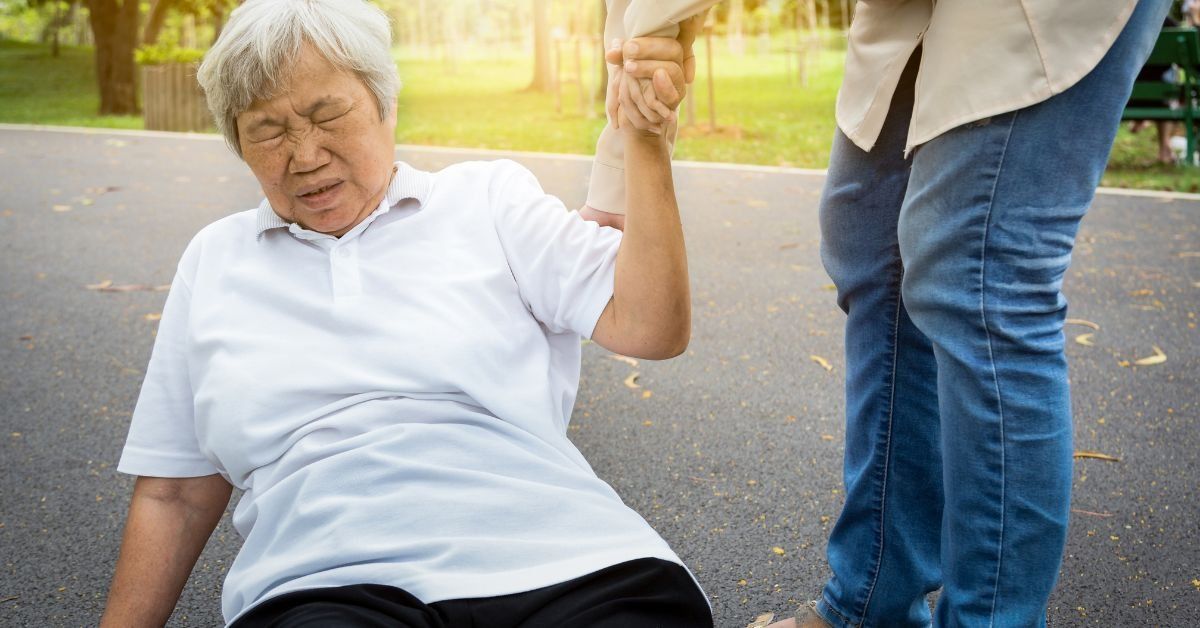
Consider what happens when an older adult experiences a fall. The fall itself might seem like the main problem. But the fall often happens because balance was already impaired, leg strength had declined, vision had worsened, medications were causing dizziness, or the person became confused and misjudged a step. After the fall, fear sets in. The person moves less to avoid falling again. Less movement leads to further muscle loss. Appetite drops. Mood worsens. Continence becomes harder to manage because getting to the toilet quickly requires strength and confidence. Sleep deteriorates because of pain, anxiety, or daytime inactivity. And suddenly, within weeks, a person who was managing reasonably well is now struggling with multiple, interconnected problems.
This is the nature of geriatric syndrome. It is not linear. It does not follow a predictable disease course. And it almost never involves just one issue at a time.
Why Older Adults Rarely Experience Only One Problem
One of the most confusing aspects of caring for an ageing parent is realizing how many problems seem to appear together. You take your mother to the doctor for memory concerns, and the doctor starts asking about falls, sleep, appetite, bathroom habits, and mood. It can feel scattered, as if the doctor is not focusing. But this broad questioning reflects the reality of how decline presents in older adults.
Frailty, falls, incontinence, confusion, depression, poor nutrition, pressure sores, and immobility do not exist in isolation. They share common roots and they reinforce each other. An older person with cognitive decline is more likely to fall because judgment and spatial awareness are impaired. Someone who falls repeatedly often becomes depressed and withdrawn. Depression reduces motivation to eat, move, and engage. Poor nutrition accelerates muscle loss. Muscle loss worsens balance and increases fall risk. Immobility increases the chances of pressure injuries and urinary tract infections. Infections cause delirium, which worsens confusion and makes falls even more likely.
These cascades are not theoretical. They happen routinely in real households across Singapore. A minor illness that would resolve in days for a younger person can spiral into weeks or months of compounding problems for a frail older adult. And because the decline is gradual, families often do not recognize the pattern until multiple issues are already entrenched.
How Small Losses Quietly Connect Before Families Notice
The difficulty with geriatric syndrome is that it does not arrive suddenly. It creeps in through small, forgettable moments. Your father holds the railing a bit longer when climbing stairs. Your mother hesitates before crossing the road. Conversations slow down. Sentences trail off. These moments feel insignificant on their own. But over time, they form a pattern.
Strength declines so gradually that it is easy to miss. A person who could stand up from a low chair six months ago now leans forward heavily, uses their arms to push off, and pauses to steady themselves. This loss of leg strength is often invisible until it suddenly becomes obvious during a crisis, like a fall or a hospitalization. By then, the person may have lost months or even years of functional capacity that could have been maintained with earlier intervention.
Balance deteriorates in similarly quiet ways. An older adult who once walked confidently now shuffles slightly, takes smaller steps, and holds onto walls or furniture more often. They avoid uneven ground. They refuse to walk outside after dark. They stop going out alone. These adaptations happen so naturally that neither the older person nor the family sees them as warning signs. They just seem like sensible precautions. But underneath, the body is losing the coordination, muscle tone, and reflexes needed to recover from a stumble.
Memory and thinking also decline in ways that are easy to rationalize. Forgetting where keys were placed happens to everyone. Repeating a story might just be enthusiasm. Struggling to follow a conversation in a noisy hawker center seems normal given the noise. But when these lapses become more frequent, when decision-making slows down, when handling money becomes confusing, the brain is signaling that its ability to process, store, and retrieve information is weakening.
Appetite changes go unnoticed for even longer. An older person who used to finish their rice now leaves half. They say they are not hungry, or the food does not taste good, or their stomach feels full quickly. Families adjust by serving smaller portions. But chronic under-eating leads to weight loss, muscle wasting, vitamin deficiencies, and fatigue. And once malnutrition sets in, every other problem worsens. Wounds heal slower. Infections become more common. Energy drops. Confusion increases.
By the time families begin to worry, these small losses have usually been accumulating for months or years. And because they developed slowly, reversing them takes sustained effort, not just a quick fix.
How Hospital Stays Often Trigger or Worsen These Syndromes
Hospitalization is one of the most common catalysts for rapid functional decline in older adults. A person who was managing reasonably well at home enters the hospital for pneumonia, a hip fracture, or surgery, and comes out noticeably weaker, more confused, or less independent. Families often assume the illness caused this decline, but the hospital environment itself plays a significant role.
Hospitals are designed for acute medical treatment, not for maintaining function in frail older adults. Patients spend most of their time in bed. Movement is limited. Routines are disrupted. Sleep is interrupted by noise, lights, and frequent checks. Meals arrive on trays, often unappetizing, eaten alone in bed. Medications change. Catheters and IV lines are inserted, reducing mobility further. Unfamiliar surroundings and the stress of illness increase confusion, especially at night.
For an older person with limited reserves, even a few days of bed rest can lead to measurable muscle loss. A week of immobility can reduce leg strength enough to make standing difficult. Two weeks can eliminate the ability to walk independently. And if delirium develops during the hospital stay, as it often does, recovery becomes even harder. Delirium clouds thinking, disrupts sleep, increases agitation, and makes rehabilitation difficult. It can take weeks or months for cognition to return to baseline, if it ever does fully.
When families bring their loved one home from the hospital, they often find themselves managing problems that did not exist before admission. Incontinence that was never an issue is now happening daily. Walking that was slow but steady now requires a walker or wheelchair. Appetite that was fair is now poor. Mood that was stable is now low. And the family is left trying to navigate this new level of need without much preparation or support.
Understanding that hospital-related decline is common and often preventable can help families advocate for their loved one during admission, request early mobilization, ensure adequate nutrition and hydration, minimize sedating medications, and plan for rehabilitation after discharge.
How Immobility Accelerates Multiple Problems at Once
Movement is protective. It maintains muscle strength, joint flexibility, balance, bone density, cardiovascular fitness, bowel function, mood, and cognitive engagement. When an older person stops moving, whether due to pain, fear, weakness, or illness, decline accelerates rapidly across all these areas at once.
Immobility begins innocently. A fall creates fear. Pain from arthritis worsens. Shortness of breath makes walking difficult. The person starts spending more time sitting or lying down. They stop walking to the market. They avoid stairs. They stay in their room more. Family members and helpers, wanting to protect them, start bringing things to them instead of encouraging them to move.
But the body interprets immobility as a signal that strength is no longer needed. Muscles break down quickly. Balance systems weaken. Bones lose density. Blood circulation slows. The risk of blood clots, pressure sores, and pneumonia increases. Bowel movements become sluggish, leading to constipation. Appetite drops. Sleep becomes fragmented because the body has not expended enough energy during the day.
Cognitively, immobility also takes a toll. Movement stimulates the brain. Walking to different places, navigating stairs, managing daily tasks, and engaging with the environment all keep thinking sharp. When these activities stop, cognitive decline often follows.
In Singapore's HDB flats, immobility can develop particularly easily. Lifts make it possible to avoid stairs entirely. Compact spaces mean everything is within reach. Helpers manage errands and chores. An older person can spend entire days moving only between their bedroom, the living room, and the toilet. This might seem safe and comfortable, but it quietly erodes function.
Families sometimes realize too late that protecting their loved one from movement has actually harmed them. The goal should be safe movement, not no movement. Even small amounts of regular activity, standing up several times a day, walking to the kitchen, doing simple strengthening exercises, can slow or prevent the downward spiral that immobility creates.
How Dehydration and Poor Nutrition Silently Worsen Decline
Older adults often do not drink enough water. Thirst sensation decreases with age. Fear of incontinence makes some people limit fluids deliberately. Swallowing difficulties make drinking uncomfortable. Mobility limitations make getting up for water effortful. And chronic dehydration, even mild, has widespread effects that families rarely connect.
Dehydration thickens blood, straining the heart and kidneys. It causes dizziness and lightheadedness, increasing fall risk. It worsens constipation. It impairs thinking, making confusion and delirium more likely. It reduces energy. It affects mood. And because dehydration develops gradually, it often goes unrecognized until it becomes severe.
Nutrition follows a similar pattern. Older adults need fewer calories than younger people, but they still need adequate protein, vitamins, and minerals to maintain muscle, bone, immune function, and healing. When intake drops, whether due to poor appetite, difficulty chewing, depression, or lack of assistance with meals, the body begins breaking down its own tissues for fuel. Muscle mass decreases. Immunity weakens. Wounds heal slowly. Infections become more common.
In multi-generation households in Singapore, meal patterns can complicate nutrition. If the older person eats alone while the family dines together, they may eat less. If food is served at times that do not align with their appetite, intake suffers. If dentures fit poorly or swallowing is difficult, certain foods become impossible to eat. If depression has set in, motivation to eat disappears entirely.
Families often focus on major medical issues while overlooking the basics of hydration and nutrition. But addressing these fundamentals can stabilize and even improve overall function in ways that medications alone cannot achieve. Ensuring adequate fluid intake, offering nutrient-dense foods, addressing swallowing problems, and making mealtimes social and pleasant are all forms of medical intervention, even though they do not feel medical.
How Medication Overload Fuels Confusion, Dizziness, and Weakness
Older adults in Singapore often take five, ten, or more medications daily. Each medication was prescribed for a reason, usually to manage a specific chronic condition like diabetes, high blood pressure, high cholesterol, or heart disease. But as the medication list grows, the risk of harmful interactions, side effects, and unintended consequences increases dramatically.
Many medications commonly prescribed to older adults cause dizziness, confusion, weakness, falls, or incontinence. Blood pressure medications can drop blood pressure too low, especially when standing up, causing fainting. Sedatives and sleeping pills impair balance and thinking, even the next day. Pain medications cause constipation and drowsiness. Diuretics increase urination, which can lead to dehydration and falls during nighttime trips to the toilet. Medications for overactive bladder can worsen confusion.
The problem is compounded when multiple doctors prescribe medications without seeing the full picture. A patient might see a cardiologist, an endocrinologist, and a neurologist, each adding medications within their specialty. No one reviews the complete list to assess interactions or cumulative effects. And because older adults process medications differently due to changes in kidney and liver function, side effects can occur at doses that would be safe for younger people.
Families often do not realize that worsening confusion, increased falls, or sudden incontinence might be caused by medications rather than disease progression. They accept these changes as inevitable consequences of ageing. But in many cases, carefully reviewing and reducing medications can lead to significant improvements in function and quality of life.
This is why geriatric medicine emphasizes medication review as a core part of care. It is not about stopping necessary treatments, but about questioning whether each medication is still needed, whether the dose is appropriate, whether safer alternatives exist, and whether the benefits outweigh the harms.
How Sleep Disruption Worsens Cognition and Balance
Sleep changes with age. Older adults often sleep more lightly, wake more frequently during the night, and spend less time in deep, restorative sleep. But chronic poor sleep is not a normal part of ageing. It is often a sign that something is wrong, and it has serious consequences for both physical and cognitive function.
Poor sleep affects balance. When the brain is tired, reaction times slow. Coordination falters. The risk of falls increases. Poor sleep also worsens mood, making depression and anxiety more likely. It reduces appetite. It impairs memory and thinking. And it weakens the immune system, making infections more common.
In older adults with geriatric syndrome, sleep problems are often multifactorial. Pain disrupts sleep. Anxiety about health or family matters keeps the mind active at night. Medications cause insomnia or frequent waking. Bladder problems require multiple trips to the toilet. Sleep apnea, common in older adults, causes repeated breathing interruptions. Daytime inactivity leaves the person insufficiently tired at night. Depression alters sleep architecture.
In Singapore's urban environment, noise from traffic, neighbors, and construction can further disrupt sleep, especially for older adults who are light sleepers. Multi-generation households mean different schedules, with younger family members or domestic helpers moving around during the night, unintentionally disturbing rest.
Families sometimes notice their loved one napping frequently during the day and assume they are getting enough sleep overall. But daytime napping and nighttime insomnia often form a cycle that worsens both problems. The person is never fully rested, never fully alert. Cognition becomes foggy. Energy stays low. And the risk of falls, confusion, and functional decline increases.
Addressing sleep problems requires looking at the whole picture: pain management, medication review, treatment of sleep apnea, establishing consistent routines, encouraging daytime activity, limiting caffeine and fluids before bed, and creating a quiet, comfortable sleep environment.
How Fear of Falling Reduces Movement and Speeds Frailty
After a fall, or even after witnessing someone else fall, older adults often develop a deep, persistent fear of falling again. This fear is not irrational. Falls can lead to serious injuries, hospitalization, loss of independence, and nursing home placement. But the fear itself becomes a problem because it leads to avoidance.
An older person who fears falling begins limiting their activities. They stop going out. They avoid stairs. They refuse to walk without someone beside them. They sit more and move less. This self-imposed restriction feels protective, but it creates a dangerous cycle. Reduced activity leads to muscle weakness, worsened balance, and reduced confidence, which makes falling even more likely.
Fear also affects posture and gait. A person who fears falling tends to walk more cautiously, taking smaller, shuffling steps, leaning forward slightly, gripping onto railings or walls tightly. This altered gait actually increases fall risk because it reduces the body's ability to respond to unexpected changes in terrain or balance.
In HDB flats, where most Singapore families live, the compact layout can create a false sense of security. Everything is close by. There are no stairs if the person stays inside. But this environment also means fewer opportunities for movement. And if the person never practices walking longer distances, navigating uneven surfaces, or managing stairs, these skills deteriorate rapidly.
Families sometimes believe they are keeping their loved one safe by discouraging movement, but this protection backfires. The safer approach is supervised, gradual reintroduction of movement with appropriate support: strengthening exercises, balance training, assistive devices if needed, and environmental modifications to reduce hazards.
Fear of falling often goes unspoken. Older adults do not want to worry their families or admit they feel vulnerable. Families need to create space for these conversations and recognize that addressing the fear is as important as addressing the physical weakness that caused it.
How Families Often Misunderstand Geriatric Syndrome as Normal Ageing
One of the biggest barriers to early intervention is the assumption that decline is normal and inevitable. Many families believe that getting weaker, more forgetful, less steady, and less independent are simply part of growing old. They accept these changes as unavoidable and focus on managing symptoms rather than questioning whether decline could be slowed or reversed.
This belief is understandable. Everyone has seen older relatives become frailer over time. Ageing is associated with loss. And there is truth to the fact that bodies do change with age. But there is a critical difference between the gradual, slow changes of healthy ageing and the rapid, compounding decline of geriatric syndrome.
Healthy ageing means slowing down but remaining largely independent. It means taking a bit longer to recover from illness but recovering fully. It means adapting to changes in vision, hearing, and mobility without losing the ability to function. Geriatric syndrome, by contrast, means rapid loss of independence, increasing need for help with daily tasks, recurrent hospitalizations, and diminishing quality of life.
Families sometimes miss this distinction because decline happens gradually. Each new limitation seems like a small step. The person needed a cane. Then they needed a walker. Then they needed a wheelchair. Each transition feels like an adjustment to age, not a sign that intervention was needed earlier.
Stigma also plays a role. There is often shame around admitting that a parent is struggling. Families want to believe their loved one is doing well. They downplay problems to avoid difficult conversations about increased care, moving to a nursing home, or end-of-life planning. And older adults themselves often minimize their struggles because they do not want to burden their children or lose their independence.
But recognizing geriatric syndrome early creates opportunities. Weakness can be addressed with strengthening exercises. Balance can improve with targeted training. Malnutrition can be corrected with nutritional support. Medications can be reviewed and adjusted. Confusion can sometimes be reversed if the underlying causes are identified. The key is understanding that decline is not always inevitable and seeking help before multiple problems become entrenched.
How Caregivers Unintentionally Reinforce Decline Through Overprotection
Caregivers, whether family members or domestic helpers, naturally want to protect older adults from harm. When someone struggles to walk, the caregiver offers an arm. When someone cannot reach something, the caregiver fetches it. When someone takes too long to dress, the caregiver steps in to help. These actions come from compassion. But they also quietly strip away opportunities for movement, problem-solving, and independence.
Overprotection can accelerate decline because the body and mind only maintain what they use. If a person stops walking to the kitchen because the helper brings everything to them, leg strength declines. If a person stops making decisions because the family makes decisions for them, cognitive engagement decreases. If a person stops doing small tasks because it is easier and faster for someone else to do them, functional capacity erodes.
Domestic helpers in Singapore often face particular pressure. They are responsible for the older person's safety. If a fall happens, they may be blamed. So they naturally become cautious, sometimes overly so. They discourage the older person from walking alone, doing chores, or attempting tasks that carry any risk. This caution is understandable, but it contributes to the cycle of decline.
Families need to shift their thinking from protection to safe independence. This means allowing the older person to do as much as they can, even if it takes longer, even if it feels risky, as long as proper supervision and support are in place. It means using assistive devices, modifying the environment, and providing encouragement rather than taking over tasks entirely.
Training helpers and family members on how to support movement, how to supervise without doing everything, and how to recognize when someone truly cannot do something versus when they simply need more time or encouragement can make a significant difference in maintaining function over time.
How Daily Activities Slowly Change Before Families Notice
Walking, standing, turning, toileting, bathing, eating, and sleeping are all activities families take for granted until they begin to fail. But these changes rarely happen suddenly. They evolve over months, marked by small adaptations that become the new normal.
Walking slows down. Steps become shorter. The person holds onto walls or furniture. They refuse to walk outside. They ask to be driven even for short distances. Standing from a chair requires a hand to push off. Turning in place becomes unsteady. Balance feels precarious.
Toileting becomes complicated. The person takes longer in the bathroom. They need help getting onto the toilet. They have accidents because they could not get there in time. They start using pads or diapers. They avoid drinking water to reduce the need to go.
Bathing becomes a source of anxiety. Stepping into a wet bathroom feels dangerous. Reaching to wash their back is difficult. Standing for the duration of a shower is exhausting. They start bathing less often or refuse help, leading to hygiene issues.
Eating becomes effortful. Chewing is tiring. Swallowing feels slow. Coordination between hand and mouth falters. Food is left on the plate. Meals are skipped. Weight drops.
Sleeping becomes fragmented. The person naps during the day. They are awake during the night. They struggle to settle into deep sleep. They wake frequently, confused about the time or needing the toilet.
Families often attribute these changes to laziness, stubbornness, or lack of motivation. They become frustrated when their loved one refuses to bathe, resists eating, or will not walk. But these behaviors are often symptoms of underlying physical or cognitive decline, not choices. And addressing the root causes, rather than simply trying to force compliance, leads to better outcomes.
How Conversational Changes Signal Cognitive Shift
Cognitive decline does not always begin with dramatic memory loss or obvious confusion. It often starts with subtle changes in conversation. A person who used to engage in detailed discussions now gives short, vague answers. They lose the thread of conversations. They repeat themselves. They struggle to find the right words. They withdraw from group discussions because following multiple voices is overwhelming.
Families sometimes attribute these changes to personality shifts or lack of interest. They assume their loved one has become quieter or less engaged. But these changes often reflect the brain's declining ability to process information, retrieve memories, and organize thoughts.
Decision-making also becomes harder. Choices that used to be straightforward now feel overwhelming. An older person may defer to family members on decisions they used to make independently, like what to eat, what to wear, or how to spend their day. This is not necessarily a sign of disinterest, but often a sign that cognitive processing has slowed, making decisions feel more difficult.
Families should pay attention to these conversational and decision-making shifts, not because they always indicate dementia, but because they reflect changes in how the brain is functioning. Early recognition allows for assessment, which can sometimes reveal reversible causes like medication side effects, depression, vitamin deficiencies, or sleep disorders.
How Mood, Withdrawal, and Irritability Appear Alongside Physical Changes
Depression in older adults often does not look like sadness. It looks like withdrawal, irritability, loss of interest, and physical complaints. An older person who is depressed may stop engaging with family, refuse to participate in activities they once enjoyed, become easily frustrated, complain of pain or fatigue, and show little motivation to eat, move, or socialize.
Families sometimes misinterpret these behaviors as personality changes or rudeness. They feel hurt when their loved one refuses to join family dinners or seems uninterested in grandchildren. But these are often symptoms of depression, which is both common and underdiagnosed in older adults.
Depression worsens geriatric syndrome because it reduces motivation to do the things that maintain function: eating well, moving regularly, engaging socially, and managing health. It increases pain perception, making existing discomfort feel worse. It disrupts sleep. It impairs cognition. And it significantly affects quality of life.
Recognizing depression requires looking beyond stereotypical sadness and noticing changes in behavior, interest, and energy. It also requires understanding that depression in older adults often has multiple contributing factors: chronic pain, loss of independence, social isolation, grief over the loss of friends or a spouse, medication side effects, and the cumulative stress of managing multiple health problems.
Treatment for depression in older adults can include therapy, medication, social engagement, and addressing contributing factors like pain, sleep problems, and isolation. And treating depression often leads to improvements in other areas: better appetite, increased activity, improved mood, and greater willingness to participate in rehabilitation.
How Singapore's HDB Environment Affects These Syndromes
Singapore's HDB flats are designed for practicality and efficiency, but they can both help and hinder older adults with geriatric syndrome. Compact layouts mean shorter distances to navigate, which can feel safer. Lifts eliminate the need to climb stairs, reducing fall risk. But these same features can also reduce opportunities for movement and contribute to functional decline.
Bathrooms in HDB flats are often small, with wet floors and minimal grab bars. Getting in and out of the shower, stepping over the raised bathroom threshold, and maneuvering in a confined space all increase fall risk, especially for someone with balance problems. Families sometimes add non-slip mats, install grab bars, and ensure good lighting, but many do not make these modifications until after a fall has occurred.
Corridors in HDB blocks provide opportunities for safe, sheltered walking. Some older adults walk laps in their corridor for exercise. But many do not, either because they fear falling, because they feel self-conscious, or because the helper or family discourage it.
Multi-generation households, common in Singapore, bring both support and complexity. Having family nearby means more help with daily tasks, more social interaction, and quicker responses in emergencies. But it can also mean noise, disrupted routines, and tension over caregiving responsibilities. When multiple family members have different opinions on how to care for an ageing parent, decisions become harder, and the older person sometimes gets caught in the middle.
Domestic helpers play a central role in many Singapore households with older adults. They provide daily care, prepare meals, assist with bathing and toileting, and manage medications. But they often receive little training in geriatric care. They may not recognize signs of delirium, understand the importance of mobility, or know how to safely assist with walking. Providing training and clear guidance to helpers can significantly improve care quality.
Singapore's healthcare system, while advanced, can also fragment care. An older person might see multiple specialists, each focused on one condition, without anyone coordinating the overall picture. Families become responsible for synthesizing information, managing appointments, and making decisions, which can feel overwhelming.
Recognizing these Singapore-specific factors helps families adapt their approach to caregiving in ways that fit their living environment, family structure, and available resources.
How Rehabilitation Interrupts the Geriatric Syndrome Cycle
Geriatric syndrome is not a one-way street. Decline can be slowed, stopped, and sometimes reversed through targeted rehabilitation. The key is understanding that rehabilitation for older adults is not about returning to how things were decades ago. It is about maximizing function, maintaining independence, and improving quality of life within realistic limits.
Strength training, even in very frail older adults, can rebuild muscle, improve balance, increase energy, and reduce fall risk. Simple exercises like standing from a chair repeatedly, lifting light weights, or walking with support can make a measurable difference over weeks and months. The body retains the ability to respond to exercise even into advanced age, as long as the exercises are appropriate and progressive.
Balance work is equally important. Many older adults have never consciously practiced balance. But balance can be trained through specific exercises: standing on one foot, walking heel to toe, shifting weight side to side. These exercises help retrain the systems the body uses to stay upright and recover from stumbles.
Nutrition support addresses malnutrition and weight loss, which undermine all other rehabilitation efforts. This might involve nutritional supplements, modifying food textures for easier swallowing, encouraging higher-calorie foods, and making meals more appealing.
Hydration becomes a deliberate focus, with reminders to drink throughout the day, offering preferred beverages, and monitoring intake.
Medication review reduces harmful side effects, interactions, and unnecessary medications that contribute to falls, confusion, and weakness.
Cognitive rehabilitation and engagement keep the mind active. This does not mean doing complex puzzles. It means maintaining social connections, engaging in conversations, making decisions, and participating in meaningful activities.
Rehabilitation works best when it is holistic, addressing physical, cognitive, nutritional, and social aspects together. It requires consistency, patience, and realistic goal-setting. Progress is often slow. But even small improvements, like being able to stand from a chair without help, walk to the toilet independently, or sleep through the night, can significantly improve quality of life and reduce caregiver burden.
Alami Clinic's approach to geriatric care emphasizes this kind of comprehensive rehabilitation. Rather than focusing on single diseases, the clinic looks at overall function, identifies modifiable factors, and works with families to implement practical interventions that fit the home environment and family's capacity. Rehabilitation is not a one-time intervention. It is an ongoing process of maintaining and optimizing function as much as possible.
How Long-Term Care Decisions Become Emotionally Complex
As geriatric syndrome progresses, families eventually face difficult decisions about long-term care. Can the older person still live safely at home? Does the family have the physical, emotional, and financial capacity to provide care? Would a nursing home provide better safety and support? These questions carry enormous emotional weight.
Many Singapore families feel intense guilt at the thought of placing a parent in a nursing home. Culturally, caring for ageing parents at home is valued. There is often shame attached to institutional care, as if it represents failure or abandonment. But the reality is that some levels of need exceed what families can safely manage at home, no matter how much they love their parent.
Caring for an older adult with advanced geriatric syndrome is physically exhausting. Helping someone in and out of bed, assisting with toileting and bathing, managing incontinence, preventing falls, preparing appropriate meals, administering medications, and providing companionship requires constant attention. Caregivers often develop their own health problems from the physical strain and chronic stress. Marriages suffer. Jobs are affected. Siblings fight over responsibilities and decisions.
There is no single right answer. Some families manage home care successfully with help from domestic workers, home nursing, rehabilitation services, and shared responsibility among family members. Others reach a point where professional, round-the-clock care in a nursing home becomes necessary for everyone's wellbeing, including the older person's.
What matters is making these decisions based on honest assessment of needs, realistic understanding of capacity, and open communication among family members. Guilt should not drive decisions. Love means ensuring the older person receives safe, appropriate care, whether that is at home, in assisted living, or in a nursing home.
Alami Clinic supports families through these transitions by providing honest assessments, discussing options, helping families understand what different levels of care involve, and ensuring medical oversight continues regardless of where the person lives. The goal is to match care to needs in a way that preserves dignity, safety, and quality of life.
When Home Management Is No Longer Enough
There comes a point in some situations where home care, even with full-time help, cannot safely meet an older person's needs. This might be because the person requires constant monitoring due to severe confusion or delirium. It might be because physical care needs exceed what a helper can safely provide. It might be because medical complexity requires nursing oversight. Or it might be because the family is overwhelmed and at risk of breakdown.
Recognizing this point is not failure. It is realistic assessment. Families sometimes hold on too long, driven by guilt, hope, or fear of judgment. But keeping someone at home when proper care cannot be provided puts everyone at risk: the older person, who may not be safe; the helper, who may be overstretched; and the family, who carries unsustainable stress.
Signs that home management may no longer be adequate include recurrent falls despite modifications, severe behavioral changes due to dementia that put the person or others at risk, inability to manage medications safely, inadequate nutrition despite interventions, untreated pressure sores, and caregiver burnout to the point of physical or emotional collapse.
When these signs appear, it is time to reassess. This might mean increasing support at home, bringing in professional home nursing, considering day care programs, or exploring residential care options. It might also mean having honest conversations about what quality of life looks like and whether current arrangements are truly serving everyone's needs.
Families should not wait until a crisis forces a decision. Planning ahead, exploring options, visiting facilities, and understanding costs allows for thoughtful decision-making rather than rushed, emergency placements.
When Professional Rehabilitation and Nursing Support Becomes Essential
Geriatric syndrome often requires professional intervention beyond what family and helpers can provide. Physiotherapists assess strength and balance, create exercise programs, and teach safe mobility techniques. Occupational therapists evaluate daily function and recommend modifications to make tasks easier and safer. Dietitians address malnutrition and swallowing problems. Nurses manage complex medical needs, wound care, and medication administration. Geriatricians coordinate care, review medications, and address the overall picture.
This level of support does not necessarily mean giving up home care. Many services can be provided at home. But it does mean recognizing when untrained caregivers, no matter how well-intentioned, cannot safely or effectively address the problems at hand.
Families sometimes resist professional help due to cost, unfamiliarity with available services, or belief that they should manage everything themselves. But early professional intervention often prevents crises, reduces hospitalizations, and improves outcomes in ways that save money and stress in the long run.
Singapore has various support services available, including subsidized home medical and nursing care, therapy services, day rehabilitation programs, and caregiver training. Knowing how to access these resources is part of managing geriatric syndrome effectively.
Alami Clinic can coordinate these services, provide home visits when clinic attendance is difficult, and ensure that all aspects of care work together toward common goals. The clinic's focus on rehabilitation and functional recovery aligns with the needs of older adults with geriatric syndrome, who benefit most from comprehensive, coordinated, home-focused care.
What Realistic Stabilization and Improvement Actually Look Like
Families often hope for dramatic recovery, for their loved one to return to how they were years ago. This hope is understandable but usually unrealistic, especially if decline has been ongoing for months or years. Realistic goals focus on stabilization, small improvements, and maintaining quality of life.
Stabilization means stopping further decline. If an older person has been losing weight, stabilization means weight staying steady. If balance has been worsening, stabilization means balance staying at the current level rather than continuing to deteriorate. Stabilization is success, even though it does not feel dramatic.
Small improvements might mean being able to stand from a chair with less assistance, walking a few more steps independently, sleeping better at night, eating more consistently, or experiencing less pain. These improvements may seem minor, but they can significantly affect daily life and caregiver burden.
Quality of life becomes the central focus. This means ensuring the person is comfortable, safe, engaged, and treated with dignity. It means managing pain, addressing depression, maintaining social connections, and supporting meaningful activity within their capacity. It means recognizing that full independence may not be possible, but that life can still hold moments of joy, connection, and purpose.
Families who understand these realistic goals experience less frustration and disappointment. They can celebrate small wins rather than feeling defeated by limitations. And they can focus their energy on what truly matters: ensuring their loved one feels cared for, respected, and valued.
Protecting Quality of Life Even When Full Recovery Is Not Possible
Geriatric syndrome does not always resolve completely. Some decline is permanent. Some losses cannot be restored. And for families, this reality is difficult to accept. But quality of life is not the same as physical capacity. A person who cannot walk independently can still experience joy. A person with significant cognitive decline can still feel love and connection. A person who needs help with daily tasks can still have dignity.
Protecting quality of life means focusing on what matters most to the individual. For some, this is staying in their own home. For others, it is maintaining social connections. For many, it is managing pain, staying comfortable, and feeling safe. Families need to have conversations about these priorities, ideally before crises occur, so that care decisions align with the person's values and wishes.
Dignity in care is paramount. This means respecting the person's preferences, maintaining privacy during personal care, involving them in decisions as much as possible, and treating them as individuals with histories, personalities, and worth, not just as tasks to be managed.
Family presence and connection remain valuable even when someone is very frail or confused. Holding a hand, speaking gently, playing familiar music, looking through old photos, and simply being present all matter. These moments of connection provide comfort and meaning that cannot be measured by medical metrics.
The end of life, when it comes, should be approached with honesty, compassion, and focus on comfort. Families sometimes feel they must pursue every possible medical intervention to prove their love. But sometimes the most loving choice is to allow a natural death, to prioritize comfort over prolonging suffering, and to be present during the final days.
Geriatric syndrome is part of the ageing process for many people. Understanding it, recognizing it early, and intervening thoughtfully can slow decline and improve quality of life. But even when decline continues, care that honors the person, respects their dignity, and prioritizes comfort remains meaningful and important.
Families caring for older adults with geriatric syndrome are navigating one of life's most challenging roles. It is work done mostly in private, often with little recognition, and always with deep love. Knowing what to watch for, when to seek help, and how to make care decisions that balance safety, function, and quality of life can make this journey somewhat easier. And knowing that decline is not always inevitable, that some problems can be improved, and that care does not have to be perfect to be good enough, can relieve some of the burden that families carry.
Imran Shah
Imran Shah is a pharmacist and co-founder of Alami Clinic, a community-focused medical practice in Singapore that specialises in geriatric care and general health services. At the clinic, he serves as a pharmacist and one of the leaders helping run the practice alongside his co-founder and wife, geriatrician Dr Nur Farhan Alami.
Learn more about our team →