Understanding GP Services: Your Family's Foundation for Long-Term Health in Singapore

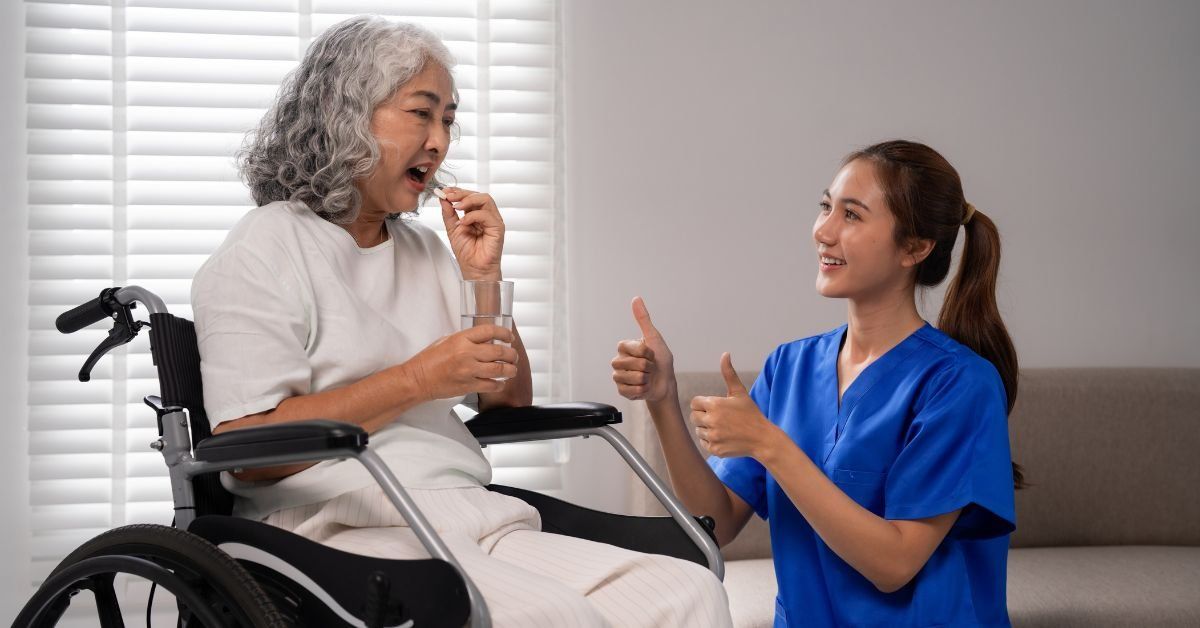
Most people think about GP services only when someone falls sick. A child wakes up with fever, a parent needs an MC for work, or grandma runs out of blood pressure medication. The clinic visit happens, the immediate problem gets addressed, and life moves on until the next issue appears.
But GP services represent something far more significant than urgent fixes for temporary problems. When understood properly, GP care becomes the single most important medical relationship in your family's life. It's the relationship that catches diabetes before it damages your kidneys, that notices the depression hiding behind chronic fatigue, that prevents your elderly father from ending up in A&E because five different doctors prescribed medications that shouldn't be taken together.
In Singapore's fast-paced, achievement-focused culture, we've become exceptionally good at managing crises but surprisingly poor at preventing them. We wait until chest pain forces us to stop working. We ignore persistent coughs until they turn into pneumonia. We treat our bodies like machines that should function perfectly until they suddenly break down, then express shock when serious illness appears seemingly overnight.
GP services exist to interrupt this pattern. But most families don't understand what these services actually include, how they work over time, or why the relationship with a trusted family doctor matters more than any single consultation ever could.
What GP Services Actually Mean Beyond Treating Colds
When someone mentions GP services, the image that forms is usually straightforward: a clinic, a doctor, a quick consultation, maybe some medication, and you're done. This understanding isn't wrong, but it's incomplete in ways that end up costing people their health.
GP services encompass the full spectrum of primary healthcare. This includes diagnosing and treating acute illnesses, yes, but it also covers chronic disease management, preventive screenings, mental health support, elderly care coordination, childhood developmental monitoring, women's health, minor procedures, medication management, health education, and the critical task of knowing when primary care isn't enough and specialist input is needed.
A GP consultation for a persistent cough isn't just about prescribing cough syrup. A good GP considers your work environment, asks about recent stress levels, checks if you've recently started new medication, reviews whether you smoke or live with smokers, listens to your chest properly, and decides if this needs further investigation or if simple treatment will do. That same cough might mean bronchitis for one patient, gastric reflux for another, early heart failure for a third, or just a viral infection for a fourth. The GP's job is connecting symptoms to the actual person sitting in front of them.
For working adults juggling demanding jobs and family responsibilities, GP services provide the medical stability that keeps everything else functioning. You're managing your aging parents' multiple medications, your child's asthma, your spouse's prediabetes, and your own chronic migraines. A trusted GP becomes the person who sees all these threads, who remembers that your mother can't take NSAIDs because of her kidney function, who checks if your teenager's mood changes might be more than typical adolescent behavior, who notices your spouse's blood sugar creeping up despite medication compliance.
This continuity matters immensely. When you see the same GP consistently, that doctor learns your baseline. They know what "feeling unwell" means for you specifically. They recognize when something is genuinely different rather than just your usual pattern. They don't need you to repeat your entire medical history every visit because they've been part of that history.
Why Singapore Families Often Misunderstand Primary Care
The confusion around GP services in Singapore stems partly from how our healthcare system is structured and partly from cultural attitudes toward illness and medical care. Many families view GP clinics as convenient quick-fix stations. You go in sick, you come out with medication, ideally spending less than thirty minutes total. The goal is efficiency, not relationship.
This transactional approach misses the essence of what makes GP services valuable. Healthcare isn't actually efficient when you only seek care during crises. It's expensive, stressful, and often too late to prevent damage. The man who finally sees a doctor about fatigue and weight loss only to discover advanced diabetes. The woman who treats her headaches with over-the-counter painkillers for months before learning she has dangerously high blood pressure. The elderly patient who falls repeatedly at home but never mentions it to anyone until a hip fracture forces hospitalization.
These situations happen constantly, and they happen because people don't understand that GP services include watching for problems before they become catastrophic. Screening tests feel unnecessary when you feel fine. Blood pressure checks seem redundant when you're not experiencing symptoms. Discussing diet and exercise sounds like something for people with health problems, not for you.
But this is exactly backwards. The whole point of primary care is keeping you in the "feeling fine" category, not waiting until you're unwell to start caring about your health. Your GP should see you when nothing is wrong. That's when prevention happens. That's when small issues get caught before they grow.
Singapore's medical accessibility also creates an unexpected problem. Because specialist care is relatively easy to access privately, some families skip GP services entirely and self-refer to specialists for every concern. Worried about your heart? See a cardiologist. Stomach pain? Find a gastroenterologist. Skin rash? Make an appointment with a dermatologist.
This approach seems logical but often backfires. Specialists are exceptionally skilled within their domain, but they're not trained to be your primary care provider. They focus on their organ system, not on you as a whole person with multiple interacting health factors. The cardiologist treats your heart brilliantly but might not ask about your sleep problems or notice early signs of depression. The gastroenterologist solves your reflux but doesn't check if your cholesterol is creeping up. You end up with fragmented care where no single doctor sees the complete picture.
How Untreated Small Issues Become Life-Changing Problems
The most frustrating aspect of primary care work is watching preventable illnesses develop because warning signs were ignored. Not ignored due to negligence, usually, but ignored because people genuinely don't realize they're warning signs.
Consider high blood pressure, which affects roughly one in four Singapore adults. Hypertension causes no symptoms for years or decades while silently damaging blood vessels throughout your body. Your heart works harder. Your kidneys strain. Your blood vessels stiffen. By the time you feel anything, significant damage has often occurred. Yet blood pressure screening takes minutes, costs little, and catches the problem when it's still easily manageable with lifestyle changes or simple medication.
But who thinks about checking blood pressure when they feel perfectly fine? Who considers this a priority when work deadlines loom and family responsibilities pile up?
The same pattern plays out with diabetes, where prediabetic blood sugar levels exist for years before full diabetes develops. During those years, simple interventions like dietary changes, increased activity, and modest weight loss can prevent or significantly delay diabetes onset. Once diabetes is established, you're managing a lifelong condition that affects nearly every body system. The difference between prediabetes and diabetes is enormous in terms of health outcomes and quality of life. Yet most people discover they're prediabetic only by accident, if at all, because they never thought to check.
Cholesterol follows this pattern too. So does fatty liver disease, which is increasingly common in Singapore and often progresses silently until liver damage is advanced. So do many cancers, where early detection dramatically improves treatment success but symptoms appear only after significant progression.
GP services exist specifically to catch these developing problems. Regular health screening appropriate to your age, family history, and risk factors is fundamental to GP care. These screenings aren't about finding disease everywhere you look. They're about identifying the specific conditions you're at risk for and monitoring those appropriately.
A 45-year-old man with a father who had heart disease needs different screening than a 45-year-old woman with a family history of breast cancer. A 60-year-old with well-controlled diabetes needs different monitoring than a 60-year-old with no chronic conditions. Your GP tailors preventive care to your actual situation rather than applying generic protocols.
The Hidden Ways GP Services Support Different Life Stages
One clinic visit looks much like another from the outside, but GP services adapt substantially based on who's sitting in the consultation room and what stage of life they're navigating.
For elderly patients, GP care often becomes the medical anchor that enables continued independence. An older person typically manages multiple chronic conditions simultaneously. Diabetes, hypertension, high cholesterol, arthritis, perhaps early kidney disease or heart failure. Each condition requires medication, and those medications interact in complex ways. Add in over-the-counter supplements, traditional remedies, and medications prescribed by various specialists, and medication management becomes genuinely dangerous without oversight.
Elderly patients frequently take eight, ten, or twelve different medications daily. Each medication has side effects. Each combination creates additional risks. Some medications need dose adjustment as kidney function naturally declines with age. Some cause dizziness that increases fall risk. Some interact with certain foods. Some must be taken at specific times.
A good GP managing elderly care knows every medication their patient takes, why they're taking it, whether it's still necessary, and whether simpler alternatives exist. They review medications regularly, eliminate unnecessary ones, watch for side effects, and coordinate with specialists to ensure everyone is aware of the complete medication list. This oversight prevents adverse drug reactions, reduces pill burden, and keeps treatment focused on what actually improves quality of life rather than just adding more prescriptions.
Beyond medications, GP services for the elderly include fall risk assessment, cognitive screening, functional ability monitoring, nutrition evaluation, social support assessment, and advance care planning discussions. These aren't dramatic interventions, but they're what allows someone to remain in their own home safely rather than requiring institutional care prematurely.
For working adults, GP services provide different support. The focus shifts to managing chronic conditions that develop during middle age while balancing demanding work and family responsibilities. This is when hypertension, diabetes, and high cholesterol typically emerge. This is when stress manifests as physical symptoms. This is when poor sleep, inadequate exercise, and suboptimal nutrition start causing measurable health problems.
Working adults often delay care because they're "too busy" or because symptoms seem manageable. The fatigue feels normal given work stress. The headaches respond to painkillers. The indigestion seems related to eating habits. People push through, assuming they'll address health issues when life calms down, not realizing that life rarely calms down and health problems don't pause while you're busy.
GP services help working adults integrate healthcare into their actual lives rather than treating it as something that happens separately from normal existence. A GP who understands your work patterns can schedule monitoring appropriately, adjust medication timing to fit your schedule, and provide practical lifestyle modification advice that fits your real circumstances rather than ideal theoretical conditions.
For families with children, GP services extend beyond treating occasional illnesses. Childhood is when health habits form, when developmental concerns first appear, when vaccination provides lifelong protection, when early intervention for learning or behavioral issues changes life trajectories. A trusted family GP monitors growth and development, provides guidance on nutrition and activity, addresses parental concerns about behavior or school performance, and connects families to specialists when concerns warrant further evaluation.
The same GP often cares for multiple family members, which creates valuable perspective. They see how family dynamics affect individual health. They understand how caring for aging parents impacts working adults' stress levels. They notice when a child's behavioral issues might reflect family stress rather than individual pathology. They coordinate care across generations in ways that compartmentalized specialist care cannot replicate.
Why Chronic Disease Management Requires Consistent GP Care
Living with chronic illness in Singapore often means juggling specialist appointments, regular medications, monitoring requirements, lifestyle modifications, and periodic complications. GP services provide the consistent medical relationship that holds all these pieces together.
Consider diabetes management. A patient newly diagnosed with Type 2 diabetes might see an endocrinologist initially to establish treatment. But ongoing diabetes care happens primarily through GP services. Blood sugar monitoring, medication adjustment, screening for complications, foot care, eye examination referrals, kidney function tracking, cardiovascular risk management, and the daily problem-solving that living with diabetes requires all fall within GP scope.
Diabetes affects every body system over time. Uncontrolled blood sugar damages blood vessels, nerves, kidneys, eyes, and skin. It increases infection risk, slows wound healing, and significantly raises cardiovascular disease risk. But proper management prevents or delays most complications. The difference between well-managed and poorly managed diabetes is the difference between living normally for decades versus experiencing kidney failure, blindness, amputations, or premature death.
That difference depends largely on consistent GP care. Your endocrinologist sees you perhaps twice yearly. Your GP can see you monthly if needed, adjust medications promptly when control worsens, address new symptoms immediately, coordinate care when other health issues arise, and provide the ongoing support that makes diabetes management sustainable rather than overwhelming.
Similar patterns apply to hypertension, where consistent monitoring and medication adjustment prevent strokes, heart attacks, and kidney damage. Or to asthma, where regular GP follow-up reduces emergency situations and improves quality of life. Or to arthritis, where proper pain management and joint protection advice maintain mobility and function.
Chronic disease management through GP services also includes recognizing when specialist input is needed again. Conditions change over time. Treatment that worked initially may become inadequate. New symptoms may indicate complications. Part of skilled GP care is knowing when primary care management is sufficient and when specialist expertise adds value.
This judgment develops through ongoing relationship. A GP who has managed your diabetes for five years recognizes subtle changes that warrant concern. They know your typical blood sugar patterns, understand what factors affect your control, and notice when something shifts. This familiarity enables earlier intervention and better outcomes than care fragmented across multiple providers who never develop deep knowledge of your specific situation.
The Mental Health Dimension of GP Services
Mental health concerns typically surface first in GP clinics, though patients rarely present saying "I think I have depression" or "I'm struggling with anxiety." Instead, they come with fatigue that no amount of sleep relieves, with physical symptoms that don't match any clear diagnosis, with insomnia, with irritability, with vague pain, with digestive problems that come and go, with difficulty concentrating at work.
These presentations reflect how mental health and physical health intertwine inseparably. Anxiety manifests as chest tightness, rapid heartbeat, and difficulty breathing. Depression causes genuine physical fatigue, body aches, and digestive problems. Chronic stress triggers headaches, muscle tension, and immune system suppression. The mind and body aren't separate systems that function independently.
Skilled GP care includes recognizing when physical symptoms reflect psychological distress. This doesn't mean dismissing symptoms as "just stress" or implying they're not real. Mental health symptoms are real, cause genuine suffering, and deserve proper treatment. But identifying the underlying cause correctly determines what treatment actually helps.
A patient with chest pain needs cardiac evaluation to rule out heart disease, but once that's excluded, persistent chest tightness with normal tests might represent anxiety. Treating anxiety resolves the chest pain, while continued focus on cardiac causes leads nowhere. A patient with chronic fatigue needs investigation for anemia, thyroid problems, sleep disorders, and other medical causes, but if all tests return normal, depression becomes a likely explanation. Treating depression restores energy in ways that vitamins, supplements, or additional medical tests cannot.
GPs are often the first to notice mental health concerns because they see patients regularly for physical issues and observe changes over time. The person who previously managed their diabetes well suddenly stops checking blood sugars. The patient who was engaged and communicative becomes withdrawn. The parent who used to ask questions now seems apathetic. These changes signal that something beyond the stated reason for visit needs attention.
Singapore's cultural context makes this aspect of GP care especially important. Mental health stigma remains significant. Many people won't seek mental health care directly but will see a GP for physical concerns. The GP consultation becomes the space where mental health issues can be identified and addressed without the patient needing to overcome the barrier of "admitting" to psychological problems.
A trusted GP relationship enables conversations about mental health that feel safer than consulting a stranger. The GP who has cared for you through other health issues, who knows your family situation, who has earned your trust, can raise mental health concerns in ways you might accept, whereas you'd resist the same observation from someone unknown.
GP services include initial mental health treatment for common conditions like anxiety, depression, and insomnia. Many cases respond well to primary care management, including counseling referrals, lifestyle modifications, and medication when appropriate. More severe or complex mental health conditions require specialist care, but GP referral ensures you connect with appropriate psychiatric services rather than struggling alone.
How Prevention Actually Works in Real Life
Preventive care sounds wonderful in theory. Who wouldn't want to prevent disease rather than treat it? But understanding prevention intellectually and actually implementing preventive care in daily life are entirely different challenges.
Effective prevention requires three elements that GP services provide. First, knowing what prevention you specifically need based on your age, sex, family history, lifestyle, and existing health conditions. Second, having accessible healthcare that makes preventive interventions actually happen rather than remaining theoretical recommendations. Third, maintaining continuity over time so prevention becomes ongoing health maintenance rather than occasional sporadic efforts.
A 35-year-old woman needs different preventive care than a 55-year-old man. Someone with family history of early heart disease needs more aggressive cardiovascular screening than someone without that risk. A person who smokes requires different cancer screening than a non-smoker. Generic prevention advice helps no one particularly. Tailored prevention based on individual risk profile is what actually reduces disease.
Your GP determines what preventive services you need and when. This includes vaccinations, cancer screening, cardiovascular risk assessment, diabetes screening, bone density testing, vision and hearing checks, and discussion of lifestyle factors affecting health. The specific tests and timing vary based on your situation, which is why standardized prevention programs miss many people's actual needs.
Consider cervical cancer screening, which has dramatically reduced cervical cancer rates wherever implemented consistently. Women need regular Pap smears starting at age 25, with frequency and testing type varying by age and results. But screening only prevents cancer if it actually happens. Many women skip screening because they feel healthy, because scheduling seems inconvenient, because they're embarrassed, or simply because no one reminds them it's due.
When you have a regular GP, screening becomes part of ongoing care. Your GP tracks when tests are due, discusses them during routine visits, addresses concerns that might prevent you from following through, and ensures results get communicated and acted upon. Screening caught early abnormalities gets addressed before progressing to cancer. This is prevention working as intended.
The same principle applies to colorectal cancer screening, which should begin at age 50 for most people, earlier if family history suggests higher risk. Colonoscopy is unpleasant and requires preparation that interferes with normal life, so many people postpone it indefinitely. Yet colorectal cancer is highly preventable through screening because precancerous polyps can be removed before becoming cancer. The difference between getting screened and avoiding screening is literally life and death for some people, but the benefits feel abstract when you currently feel fine.
GP services transform abstract prevention into concrete action by making it part of your healthcare routine rather than something you'll get around to eventually. Your GP doesn't just recommend screening. They discuss why it matters for you specifically, address barriers preventing you from scheduling it, arrange the testing, follow up on results, and ensure appropriate action occurs based on findings.
Vaccination represents another prevention area where GP services make a substantial difference. Adults need certain vaccinations beyond childhood immunizations. Flu shots annually, pneumonia vaccines for older adults or those with chronic illness, shingles vaccine for those over 50, tetanus boosters every decade, and catch-up vaccines for those who missed childhood immunizations. Additionally, travelers need destination-specific vaccines, and immunocompromised patients require special vaccination schedules.
Most people don't track their vaccination status, don't know which vaccines they need, and don't think about vaccines unless planning international travel. Your GP maintains this information, recommends vaccines at appropriate times, provides vaccinations in clinic or refers to vaccination services, and keeps records accessible for when you need proof of immunization.
Preventive care also includes lifestyle counseling, though this aspect of GP services often gets overlooked. Your GP should discuss smoking cessation, alcohol consumption, diet, exercise, sleep, and stress management. These conversations feel less medical than prescribing medication or ordering tests, but lifestyle factors determine health outcomes more powerfully than most medical interventions.
The challenge is that lifestyle advice often sounds generic and unhelpful. Everyone knows they should eat better, exercise more, and sleep adequately. Hearing this repeated doesn't change behavior. What does help is specific, personalized guidance based on your actual life, your specific health risks, and your readiness to make changes.
A good GP doesn't just tell you to "eat healthier." They ask what you currently eat, when you eat, why you make the food choices you do, what barriers prevent better choices, and what small changes seem achievable. They connect dietary recommendations to your specific health concerns. They follow up on previous suggestions and adjust recommendations based on what did or didn't work.
This personalized, ongoing approach to lifestyle modification is far more effective than generic advice, but it only happens through consistent GP relationship where your doctor knows you well enough to provide genuinely useful guidance.
How GP Services Prevent Healthcare System Overload
Singapore's healthcare system functions as well as it does partly because most people can access GP services for primary care needs rather than flooding emergency departments and specialist clinics with problems that don't require that level of care.
When people use GP services appropriately, they receive good care efficiently and free up specialized resources for situations that genuinely require them. When people bypass GP care and self-refer to specialists or show up at A&E for non-emergencies, everyone suffers. Wait times increase, costs rise, care becomes fragmented, and genuinely urgent cases face delays.
Understanding when GP care is appropriate and when higher-level care is needed matters both for individual health and for healthcare system sustainability. GP services handle the vast majority of health concerns competently. Acute infections, minor injuries, chronic disease management, mental health conditions, preventive care, and most new symptoms can and should be addressed at primary care level initially.
GPs are trained specifically to be generalists who manage common conditions across all age groups and body systems. They're experts in undifferentiated symptoms, in figuring out what's wrong when presentations are vague, in managing multiple conditions simultaneously, and in knowing when they've reached the limit of primary care and specialist input is needed.
Specialists, conversely, have deep expertise in their specific domain but aren't trained or positioned to provide primary care. Seeing a cardiologist because you have chest pain bypasses the essential step of determining whether that chest pain represents heart disease, reflux, anxiety, muscle strain, or something else entirely. A cardiologist will evaluate cardiac causes thoroughly but may miss non-cardiac explanations.
Starting with GP care ensures appropriate triage. If your chest pain warrants cardiology evaluation, your GP refers you, often with better access than self-referral provides. If cardiac causes are unlikely and the pain reflects another issue, you avoid unnecessary specialist visits, investigations, and costs while getting treatment that actually addresses the problem.
Emergency departments exist for genuine emergencies: severe chest pain, difficulty breathing, serious injuries, stroke symptoms, severe bleeding, poisoning, and other situations requiring immediate intervention. Using A&E for concerns better handled by GP services creates problems beyond inconvenience. Emergency care is expensive, focuses on ruling out life-threatening conditions rather than comprehensive evaluation, and provides no continuity for ongoing issues.
A person who visits A&E for back pain gets evaluated to exclude serious causes like fracture or infection, receives pain medication, and gets discharged with advice to follow up with their GP. That A&E visit costs more, takes longer, involves more staff, and provides less comprehensive care than seeing a GP who could evaluate the back pain, provide treatment, arrange physical therapy if needed, and follow up on progress.
The same pattern repeats constantly across different concerns. Rashes, coughs, fever, abdominal pain, headaches, fatigue, dizziness—these symptoms cause genuine distress but rarely represent emergencies. They warrant medical evaluation, which GP services provide more appropriately than emergency care.
When families have a trusted GP they see regularly, they learn to use the healthcare system appropriately. They know when to schedule a GP appointment, when to seek urgent GP care, and when to go directly to A&E. This knowledge improves their own health outcomes and helps the healthcare system function sustainably.
The Economics of Choosing GP Services Wisely
Healthcare costs in Singapore add up quickly when people don't use GP services as their primary point of care. Specialist consultations cost more than GP visits. Emergency department care costs substantially more than both. Investigations and tests ordered without GP coordination often get duplicated or prove unnecessary.
Consider someone who self-refers to a gastroenterologist for abdominal pain. The specialist performs endoscopy, finds mild gastritis, prescribes medication, and charges several hundred dollars. If that same person had started with a GP, the doctor might have identified dietary triggers, stress factors, or medication side effects causing the symptoms, tried simple treatment first, and referred to gastroenterology only if conservative management failed. The outcome might be identical but at a fraction of the cost.
Multiply this across multiple health concerns and family members, and the financial difference becomes substantial. A family spending thousands yearly on fragmented specialist care might receive better health outcomes at lower cost through consistent GP services with specialist referral when truly needed.
Preventive care through GP services also reduces long-term costs dramatically, though the savings feel less tangible. Catching prediabetes early and preventing progression to diabetes saves enormous expense over decades of diabetes management and complication treatment. Controlling blood pressure adequately prevents strokes that require expensive hospital care, rehabilitation, and potentially long-term nursing care. Screening that detects cancer early enables less invasive, more effective, and less expensive treatment than addressing advanced disease.
These economic benefits extend beyond direct medical costs. Good health maintained through preventive GP care means less work absence, better productivity, maintained ability to care for family members, and continued independence in old age rather than requiring custodial care. The financial value of avoiding illness exceeds the direct costs of treating illness substantially.
For families managing elderly parents' care, GP services provide essential coordination that prevents expensive healthcare misadventures. Uncoordinated care for elderly patients frequently results in adverse drug reactions requiring hospitalization, missed medication doses causing acute decompensation of chronic conditions, falls and injuries from untreated mobility problems, and unnecessary specialist consultations for problems that adequate primary care would manage fine.
A trusted GP overseeing elderly care catches problems early, prevents complications, coordinates specialists when needed, and ensures treatment plans make sense overall. This oversight saves money, improves outcomes, and provides family members peace of mind that someone is actively managing their parents' complex healthcare needs.
How Continuity With One GP Changes Everything Over Time
The most underappreciated aspect of GP services is what happens over months and years of consistent care with the same doctor. This continuity creates value that individual consultations cannot capture.
When you see the same GP regularly, that doctor accumulates detailed knowledge of your health history, your response to treatments, your health beliefs and behaviors, your family situation, your work stresses, your health goals, and what matters most to you personally. This knowledge enables increasingly precise and effective care because your doctor isn't starting from zero with each visit.
They know you had similar symptoms two years ago that responded to specific treatment. They remember you developed side effects from a certain medication. They're aware your father had colon cancer young, making your screening needs different. They know you're caring for aging parents while working full-time, which affects your stress levels and healthcare decisions. They understand you're anxious about medical procedures, requiring extra time and explanation to get necessary testing done.
This accumulated knowledge makes diagnosis more accurate, treatment more tailored, and healthcare more efficient. Your doctor recognizes patterns specific to you. They distinguish between what's normal variation for you versus genuinely concerning changes. They catch developing problems earlier because they know your baseline intimately.
Continuity also enables your GP to be increasingly ambitious with preventive interventions. Initial visits focus on immediate concerns and building trust. As the relationship develops, conversations deepen. Your GP can raise difficult topics like weight management, alcohol consumption, or family planning because the trust exists for those discussions to be productive rather than feeling judgmental.
Long-term GP relationships also provide emotional stability that matters more than people realize, especially as health complexity increases with age. Having one doctor who knows you comprehensively reduces the anxiety of managing health concerns. You're not constantly explaining yourself to strangers, wondering if this new doctor has the full picture, or worrying that important information might be missed.
For elderly patients particularly, this familiarity provides comfort beyond medical necessity. Your GP becomes someone who understands you as a person, not just a collection of symptoms and test results. They remember what you do for work, ask about grandchildren, notice when you seem down, and provide the human connection that makes healthcare feel less clinical and more caring.
This relationship also improves medication adherence, lifestyle modification success, and willingness to pursue necessary but unpleasant interventions. You're more likely to take advice seriously from someone you trust who has proven they understand you and have your best interests in mind.
What Good GP Services Actually Feel Like
From the patient perspective, quality GP care has characteristics that distinguish it from transactional quick-fix medicine. Understanding what to expect and what to look for helps families find GP services that genuinely meet their needs.
Good GP care starts with adequate consultation time. Meaningful medical conversation cannot happen in five-minute interactions. Your doctor needs time to listen properly, think through your situation, explain findings and recommendations clearly, and address your questions and concerns. Clinics running ten-minute appointment slots with doctors seeing forty patients daily cannot provide thoughtful primary care.
You should feel heard during consultations. Your GP should listen to your explanation of symptoms without interrupting excessively, ask relevant follow-up questions, and give you space to share concerns. The examination should be appropriate and thorough. Explanations should make sense and be understandable, not full of medical jargon that leaves you confused.
Good GP care includes shared decision-making. Your doctor should explain options when treatment choices exist, discuss pros and cons of different approaches, and incorporate your preferences into care decisions. You're the expert on your own life circumstances, values, and goals. Your GP is the medical expert. Together you decide on plans that make medical sense and fit your actual life.
Follow-up should be clear and reliable. If your doctor orders tests, you should know when results will be available, how you'll receive them, and what happens next based on findings. If you're starting new medication, expectations around monitoring, potential side effects, and when to follow up should be explicit. You shouldn't be left wondering whether no news means good news or means something fell through the cracks.
Accessibility matters significantly. When you're sick, you need to be seen promptly, not told to wait a week for the next available appointment. After-hours care options should exist for urgent concerns that arise outside regular clinic hours. Communication channels should let you ask questions or report concerns without requiring an in-person visit for every minor issue.
At the same time, accessibility shouldn't mean rushed care where doctors are perpetually behind schedule and everyone feels hurried. The balance between being accessible and providing adequate attention per patient distinguishes well-run primary care from overwhelmed clinics that can't serve anyone properly.
Coordination should happen automatically when specialist care is needed. Your GP should communicate with specialists regarding your situation, receive reports after specialist consultations, and integrate specialist recommendations into ongoing primary care. You shouldn't need to manage information flow between different doctors yourself.
Above all, good GP care feels personalized and caring rather than generic and impersonal. Your doctor should treat you as an individual with unique circumstances, not as interchangeable with every other patient with similar symptoms. You should leave consultations feeling that someone capable is paying attention to your health and will catch problems early.
Finding the Right GP Services for Your Family
Choosing GP services involves considering several factors beyond basic convenience. Location matters because healthcare you can access easily is healthcare you'll actually use. A clinic near your home or workplace makes routine visits, urgent concerns, and elderly parents' appointments more manageable than traveling across the city.
Clinic hours should match your schedule. If you work standard office hours, evening or weekend availability may be essential. Some clinics offer extended hours or Saturday morning consultations that accommodate working adults better than traditional Monday-Friday 9-5 schedules.
Consider the range of services available. Does the clinic handle pediatric care if you have children? Do they manage chronic diseases like diabetes and hypertension? Can they perform minor procedures like wound care or mole removal? Do they offer vaccinations, health screenings, and preventive services? Clinics providing comprehensive primary care under one roof make healthcare simpler than coordinating with multiple providers.
Insurance acceptance affects costs and access. If you're using corporate insurance, knowing which clinics are on your panel influences choice. For elderly parents with subsidized care schemes, confirming participation matters financially.
The doctor-patient match matters more than tangible factors often suggest. You want a GP whose communication style works for you, who seems genuinely interested in your wellbeing, whose explanations make sense, and with whom you feel comfortable discussing sensitive health concerns. This fit develops over initial visits and guides whether to continue with that GP or seek someone more compatible.
Many families in Singapore use multiple GPs, seeing whoever is available at convenient clinic chains when someone falls sick. While this provides accessibility, it sacrifices the continuity that makes GP services most valuable. Ideally, each family member has a primary GP they see for most concerns, with urgent after-hours issues handled by whoever is available with the understanding that follow-up happens with your regular doctor.
For elderly parents, choosing GP services should involve them in decision-making while considering practical factors like clinic accessibility, doctor's communication style, and whether the GP has particular expertise in geriatric care. Older patients benefit especially from doctors experienced in managing multiple chronic conditions, understanding age-related physiologic changes, and communicating clearly with patients who may have hearing or cognitive impairments.
How Alami Clinic Approaches Community-Centered Care
At Alami Clinic, the understanding is that GP services work best when rooted in genuine relationships between doctors and the families they serve. This means taking time during consultations to understand not just symptoms but the context surrounding those symptoms. How demanding is your work? What family responsibilities do you balance? What health concerns keep you awake at night?
The clinic environment is designed to feel approachable rather than clinical and intimidating. Healthcare should be accessible without feeling institutional. Appointment scheduling is flexible, recognizing that families need healthcare that adapts to their schedules rather than the reverse.
For chronic disease management, the focus is on sustainable long-term approaches rather than quick fixes. Living with diabetes, hypertension, or other chronic conditions requires ongoing support, monitoring, and adjustment. The goal is helping patients manage their conditions successfully while living full lives, not just hitting numerical targets.
Elderly patient care receives particular attention, with recognition that older adults need more consultation time, clearer explanations, careful medication review, and coordination with family members involved in care decisions. The pace of care adjusts to match what elderly patients need rather than rushing through appointments.
Preventive services are emphasized because keeping people healthy is always preferable to treating illness. This includes age-appropriate screening, vaccination, and the health education that helps families make informed decisions about diet, exercise, and lifestyle factors affecting long-term health.
When specialist care is needed, referrals connect patients with trusted specialists in relevant fields, with communication ensuring everyone stays informed about the care plan. The GP remains your medical home even when specialist input is necessary.
Moving Forward With Primary Care That Works
Understanding GP services properly changes how families approach healthcare. Instead of crisis-driven medical encounters where you seek help only when problems force attention, healthcare becomes ongoing relationship with a trusted doctor who knows you, monitors your health over time, catches problems early, and helps you maintain wellbeing as you age.
This shift requires changing expectations. You visit your GP when you're healthy, not just when you're sick. You discuss prevention, not just treatment. You see healthcare as investment in long-term health rather than expense to minimize. You choose a GP based on the relationship and quality of care rather than just convenience and speed.
For families managing multiple generations, strong GP services provide the medical foundation that keeps everyone stable. Your children receive attentive developmental monitoring and sick care. You receive chronic disease management and preventive screening. Your aging parents receive coordinated care that enables continued independence. Everyone has a trusted medical home where concerns are addressed and health is actively maintained.
The families who fare best as they age are those who established strong GP relationships long before serious health problems emerged. By the time complex illness appears, the trust and familiarity already exist. The doctor knows their patient's history comprehensively. The patient knows their doctor will provide thoughtful, personalized care. This foundation makes managing health challenges much less overwhelming than facing them alone or with unfamiliar providers.
Healthcare in Singapore offers remarkable sophistication and accessibility. Making the most of these resources requires understanding how primary care functions and why GP services represent the most important medical relationship you'll develop. When used wisely, GP care prevents unnecessary illness, catches problems early when treatment is most effective, coordinates complex care efficiently, and provides the continuous support that enables families to remain healthy and independent throughout their lives.
Imran Shah
Imran Shah is a pharmacist and co-founder of Alami Clinic, a community-focused medical practice in Singapore that specialises in geriatric care and general health services. At the clinic, he serves as a pharmacist and one of the leaders helping run the practice alongside his co-founder and wife, geriatrician Dr Nur Farhan Alami.
Learn more about our team →