Understanding Fall Prevention: A Real Plan for Singapore Families

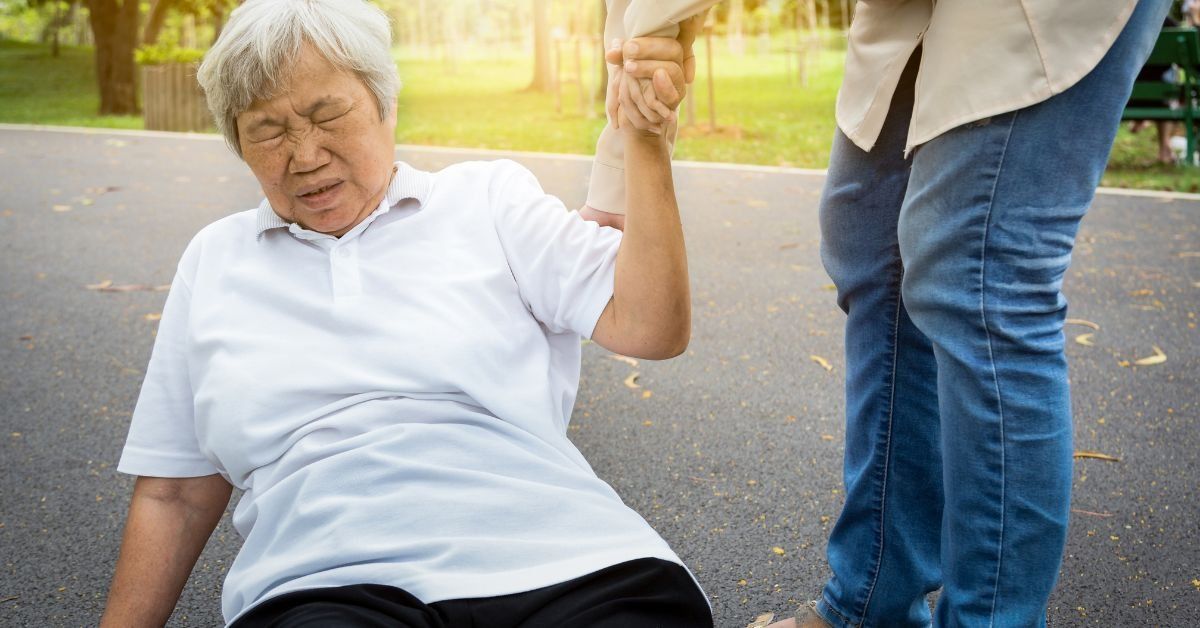
When my grandmother fell in her bathroom three years ago, we thought we had done everything right. She had grab bars installed, non-slip mats, even those night lights plugged into every corner. But she still fell, and not because we were careless or ignorant. She fell because we had treated fall prevention like a checklist instead of understanding it as something that needed to weave into her entire daily life.
That moment changed how I understood what a fall prevention plan actually means. It is not about buying safety equipment or avoiding certain rooms. It is about recognizing that as our bodies age, the relationship we have with our own movement, our confidence, and even our living spaces shifts in ways we rarely talk about openly.
Falls among elderly people in Singapore happen more often than most families realize, and they happen inside homes that look perfectly safe on the surface. The statistics tell one story, but the real story lives in the details of daily routines, in the slight hesitation before stepping into a shower, in the way someone reaches for support that is just half a step too far away, in the fatigue that settles in by early evening when balance becomes harder to maintain.
Why Falls Happen in Homes That Look Safe
Walk into most Singapore homes where elderly family members live, and you will see care. You will see thoughtfulness. Families install equipment, they rearrange furniture, they remind their parents or grandparents to be careful. Yet falls continue to happen, and this disconnect frustrates everyone involved.
The truth is that falls rarely happen because of one obvious danger. They happen because of accumulations. Small physical changes that build over months. Slight medication adjustments that affect balance in ways no one connects immediately. Flooring that has always been fine but becomes treacherous when combined with slower reaction times and weakening ankle stability. Morning routines that worked for decades suddenly containing hidden risks because vision has dimmed or blood pressure patterns have shifted.
Inside a typical HDB flat, the layout itself creates challenges that younger bodies navigate without thought. The step up into a bathroom. The narrow corridor between the kitchen and living room. The slight slope near the front door designed for drainage. These architectural features exist in nearly every home, but they transform into genuine hazards when someone's gait changes, when lifting the foot that extra centimeter becomes effortful, when turning the body quickly to catch something creates a moment of dizziness.
Many families discover this only after the first fall. Before that moment, everything seemed manageable. The person moved slowly, yes, but they moved. They held onto walls sometimes, but that seemed natural. They occasionally stumbled, but they caught themselves. Until the day they did not.
The Weight of Falling That No One Discusses
When someone elderly falls, the immediate concern centers on physical injury. Broken hips, fractured wrists, head trauma. These injuries carry serious implications and require immediate medical attention. But something else happens in that moment of falling that affects recovery and future risk in profound ways, and families often miss it entirely.
Fear enters. Not the vague worry about falling again, but a specific, body-level fear that changes how someone moves through their own home. After a fall, many elderly people develop what healthcare providers recognize as post-fall syndrome, though families rarely hear this term. The person who fell begins moving differently. They tense their muscles in anticipation of losing balance. They avoid certain movements entirely. They start planning routes through their home that minimize steps or turns.
This fear-driven caution seems protective, but it creates a cruel cycle. Moving less means muscles weaken faster. Avoiding certain movements means balance systems get less practice. Tension in the body actually makes falls more likely, not less, because rigid muscles cannot adjust quickly when balance shifts unexpectedly. The person becomes more fragile precisely because they are trying so hard to stay safe.
Family members witness this change and often misinterpret it as natural aging or appropriate caution. They encourage rest. They take over tasks. They install more grab bars. All of this comes from love, but it can accelerate decline rather than prevent it. The person who fell needs the opposite of what instinct suggests. They need carefully structured movement, not less movement. They need to rebuild confidence through successful experiences, not avoid all challenge.
This psychological component of falls separates effective fall prevention from ineffective prevention. Equipment helps, certainly. Environmental modifications matter. But if the underlying fear and movement patterns are not addressed, falls will continue regardless of how much safety equipment fills the home.
What Actually Changes in the Aging Body
Understanding fall risk requires looking honestly at what happens inside the body as decades pass. These changes do not announce themselves with clear signals. They accumulate quietly, each one minor on its own, but together they reshape how someone maintains balance and responds to moments when stability wavers.
Balance itself is not one system but several working in concert. The inner ear sends signals about head position and movement. The eyes provide visual references about where the body exists in space. Sensors in the feet, ankles, and joints relay information about ground contact and body position. The brain processes all of this instantly and sends commands to muscles for tiny adjustments that keep the body upright.
As people age, each of these systems degrades slightly. Inner ear function declines, making position sense less precise. Vision dims and peripheral awareness narrows, reducing environmental information. The sensors in feet and joints become less sensitive, particularly in people with diabetes or circulation issues. Most significantly, the processing speed slows. The brain still receives the signals and sends the commands, but the timing delays just enough that reactions come a fraction too late.
Muscle strength matters more than families typically realize. The muscles in the legs, particularly around the ankles and knees, make constant micro-adjustments to maintain balance. When these muscles weaken, which happens naturally without regular use and happens faster in people who reduce activity, the body has less capacity to correct when balance shifts. A younger person stumbles and their leg shoots out to catch them. An older person with weakened muscles stumbles and that corrective movement happens too slowly or not with enough force.
Joint stiffness compounds the problem. Ankles that do not flex fully mean the foot cannot adapt to uneven surfaces. Hips that have lost range of motion limit the body's ability to shift weight quickly. Knees that hurt discourage the small movements that maintain strength. Each limitation alone might seem manageable, but together they narrow the margin of safety to almost nothing.
Medications add another layer of complexity that few families track carefully. Blood pressure medications can cause dizziness, especially when standing up quickly. Sleeping pills linger in the system and affect coordination the next morning. Pain medications alter reaction times. Diuretics increase bathroom trips at night when lighting is poor and alertness is low. Multiple medications together create interactions that no one fully predicts, and the cumulative effect on fall risk often goes unrecognized until after an incident occurs.
The Hidden Daily Factors
Beyond the obvious physical changes, several daily factors influence fall risk in ways that families rarely consider when thinking about prevention. These factors vary throughout the day and from day to day, which makes fall prevention more complex than installing equipment and calling it complete.
Sleep quality directly affects balance and coordination. An elderly person who sleeps poorly will have slower reactions, reduced alertness, and less physical steadiness the next day. But sleep often deteriorates with age. The ability to reach deep, restorative sleep phases declines. Bathroom trips interrupt the night. Chronic pain makes comfortable positions harder to find. Each morning begins with a slightly more depleted body, and this accumulates over days and weeks.
Hydration status matters more than most people realize. Mild dehydration affects blood pressure, which affects dizziness, which affects fall risk. Elderly people often have diminished thirst signals and may not drink enough throughout the day. By evening, they may be mildly dehydrated, making dizzy spells more likely. Add in medications that affect fluid balance, and hydration becomes a subtle but significant risk factor that changes hour by hour.
Blood pressure patterns shift with age. Many elderly people experience postural hypotension, where blood pressure drops when standing up from sitting or lying down. This creates momentary dizziness or even brief blackouts. The risk peaks at certain times: first thing in the morning after lying flat all night, after meals when blood flow redirects to digestion, and in warm weather when blood vessels dilate. These vulnerable moments often align with high-activity times, like getting up to use the bathroom or moving around the kitchen preparing food.
Footwear choices carry more weight than the simple advice to avoid slippery slippers suggests. Feet change with age. Arches flatten. Toes develop deformities. Sensation decreases. The shoes or slippers that worked fine five years ago may no longer provide adequate support or feedback. Bare feet might seem safer for grip, but they offer no support and reduce confidence. The right footwear needs to evolve as feet change, but many elderly people wear the same comfortable shoes for years without realizing they have become part of the problem.
How Families Accidentally Increase Risk
With the best intentions, family members often create situations that increase fall risk rather than reduce it. This happens not through carelessness but through misunderstanding what actually helps versus what feels helpful.
Taking over physical tasks completely removes the practice that maintains strength and coordination. When family members or helpers do all the reaching, bending, and carrying, the elderly person loses the daily movement that keeps muscles functional and balance systems calibrated. Within weeks, capacity diminishes. The person becomes less capable of the tasks they could still do safely with a bit more time and effort.
Rushing creates pressure that leads to mistakes. An elderly person moving at their natural pace rarely falls. But when someone is waiting, when there is pressure to keep up or not be a burden, the elderly person may move faster than their body safely allows. They skip the extra moment to find balance before stepping. They reach without properly positioning their feet first. The fall that results looks like clumsiness but stems from social pressure to move at a pace their body can no longer maintain.
Over-helping in some areas while neglecting others creates gaps in the prevention plan. A family might obsess over bathroom safety, installing every possible piece of equipment, while completely overlooking that their elderly parent wears worn-out slippers, takes medication that causes dizziness at specific times, or has developed a habit of carrying too many items at once to avoid multiple trips.
In multi-generation households common throughout Singapore, competing needs create hidden risks. Grandchildren leave toys in walkways. Working adults store items temporarily in corridors. Helpers clean floors at times that leave them wet when the elderly person needs to move through. Everyone focuses on their own tasks and assumes someone else is managing the safety considerations, so small hazards persist that no single person feels responsible for addressing.
The helper's role deserves particular attention in Singapore contexts. Helpers often provide crucial support for elderly family members, but without proper training in fall prevention, they may inadvertently increase risk. A helper who does everything for the elderly person out of efficiency or kindness contributes to physical decline. A helper who is unaware of medication timing or blood pressure patterns may not realize when dizzy spells are most likely. A helper who cleans thoroughly but leaves floors wet at risky times creates hazards while believing she is helping.
Walking Through the Home Room by Room
Understanding fall risk requires examining the actual spaces where life happens. Not theoretical dangers, but the specific realities of Singapore homes where elderly people spend their days.
The bathroom presents the highest risk in most homes. The combination of hard surfaces, water, and necessary movements creates constant challenge. But the risk goes beyond wet floors. The toilet height matters. If the toilet sits too low, the effort to stand up requires more strength than many elderly people have reliably available, particularly in the morning. The transfer from sitting to standing creates a moment of blood pressure change and balance adjustment while the person is still half bent over. Many falls happen in exactly this position.
The shower area multiplies risks. Lifting legs high enough to step over a tub edge or shower curb requires balance, flexibility, and strength all at once while standing on one foot. Inside the shower, wet feet on wet surfaces meet soap residue that no amount of cleaning completely removes. Reaching to adjust water temperature or retrieve shampoo requires shifting weight while standing on a slippery surface. Turning around in a small shower space demands coordination. Every single movement contains fall potential, yet people shower daily, often alone, often when tired.
The bedroom seems safer, but several specific risks hide in plain sight. Getting in and out of bed requires coordinated movement while still half asleep or groggy from medication. If the bed height is wrong, either too high or too low, the transfer becomes more difficult and risky. The path from bed to bathroom at night combines all the worst factors: darkness, sleepiness, urgency, and often the lingering effects of evening medication. A fall at three in the morning likely happens not because someone was careless but because they were trying to reach the bathroom quickly in a vulnerable state.
Bedside tables create a particular trap. People reach for them as support, but most bedside tables are not designed to bear weight. They slide or tip, and the person falls while grasping at something that is actively moving away from them. This kind of fall often results in serious injury because there was an attempt to catch oneself that failed.
The kitchen presents hazards that most families overlook. Reaching into overhead cabinets requires looking up, extending arms, and often standing on toes, all while maintaining balance. Carrying hot or heavy items demands focus on the task rather than on walking safely. Wet spots from cooking or washing dishes create slipping hazards. Many elderly people have fallen in the kitchen not while doing anything obviously dangerous but while performing routine tasks they have done thousands of times before. The difference is that their body no longer performs these tasks with the same automatic ease.
Corridors in HDB flats often seem harmless but contain subtle challenges. The width might be enough for comfortable walking in one direction but becomes tight when turning or when another person needs to pass. Many elderly people steady themselves with light contact against walls while walking through corridors, which works until they need to turn or until the wall ends at a doorway. The slight slope near some doorways, designed for water drainage, can cause the foot to land at an unexpected angle.
The front door area deserves careful attention. The step up or down at the threshold requires the foot to lift higher or lower than normal walking demands. Coming home carrying bags makes this step more treacherous because hands are occupied and attention is divided. Bending to remove shoes creates a moment of single-leg standing while the body is angled forward. Many falls occur in this transitional space between outside and inside.
Even the lift lobby and common corridors matter for those living in HDB flats. The transition from flat floor to the slight outdoor slope can catch someone off guard. Wet weather makes common areas slippery. Waiting for lifts while standing still might seem safe, but maintaining balance while standing still actually requires more effort than walking for people with balance issues. Some elderly people feel dizziness standing still that they do not feel while moving.
When Assistive Devices Help and When They Complicate
The market offers countless devices promising to prevent falls, and families often purchase them with high hopes. But devices work only when they match the specific needs of the individual and when the person actually uses them correctly.
Walking aids illustrate this complexity perfectly. A cane can provide crucial support for someone with mild balance issues or uneven leg strength. But a cane also requires upper body strength to use effectively and coordination to move it properly with each step. Someone with reduced arm strength or cognitive changes may not use the cane correctly, and incorrect use actually increases fall risk rather than reducing it.
Walkers provide more stability but create their own challenges. Lifting a walker and placing it forward requires strength and coordination. Maneuvering a walker through doorways, into bathrooms, and around furniture requires space and planning. Many Singapore homes have layouts too tight for comfortable walker use in all areas. The person may abandon the walker in certain spaces because it does not fit, which means they lose support exactly where space is most constrained and balance is most challenged.
Wheelchairs might seem like the safest option, but premature wheelchair use can accelerate physical decline dramatically. A person who could still walk with support but gets pushed everywhere in a wheelchair loses leg strength within weeks. The balance system stops getting practice. The person becomes truly unable to walk not because the initial condition was that severe but because the wheelchair made them unable. This is appropriate for some situations, but families sometimes choose wheelchairs too early out of fear rather than after careful assessment of what mobility is actually still possible.
Grab bars help tremendously when placed correctly but do nothing if positioned poorly. The bar must be exactly where the person naturally reaches when they need support. If it is six inches too high or too far to the side, they will not use it. If it requires reaching across the body to grasp, it may throw off balance rather than help. Installation without watching exactly how the person moves through the space often results in bars that look helpful but function poorly.
Shower seats and bath benches make bathing safer for many people, but they work only if the person can safely transfer onto them and if the seat height and position work with the shower design. Some people find the transfer onto a shower seat more difficult than standing to shower. Others feel unstable sitting in the shower and grip the sides of the seat tensely, which defeats the purpose.
Night lights seem universally helpful, but placement matters more than quantity. Lights that shine directly into eyes when someone sits up in bed actually reduce vision temporarily rather than improve it. Lights that cast shadows can make depth perception worse. The lighting needs to illuminate the path and the floor surface without creating glare or confusing visual patterns.
The pattern with all assistive devices is the same: they must match the person's specific situation, they must actually fit in the space, and the person must feel comfortable using them. Devices chosen from catalogs or installed without careful observation of actual movement patterns often sit unused or, worse, create new hazards when they interfere with the person's natural movement strategies.
Building Real Physical Capacity
All the safety equipment in the world cannot replace the most fundamental fall prevention strategy: maintaining and gradually rebuilding physical capacity. This is where many fall prevention plans fail, because focusing only on the environment misses half the equation.
Strength matters most in the legs but not in the way many people imagine. It is not about being able to lift heavy weights but about having enough muscle endurance to walk safely throughout the day and enough power to catch oneself when balance wobbles. The muscles around the ankles and knees need regular challenge to maintain this functional strength. Without it, every step becomes slightly less secure.
But here is the difficult truth: the exercises that build this strength feel boring and are easily skipped. Standing from a chair repeatedly does not feel like meaningful exercise. Balancing on one foot while holding a counter seems too simple to matter. Heel raises and toe taps appear elementary. Yet these basic movements directly address the specific capacity needed for daily safety. They train exactly what the body uses to prevent falls.
Balance training requires a similar commitment to movements that seem almost too easy at first. Standing with feet together. Walking in a straight line heel-to-toe. Turning in place slowly. These exercises challenge the systems that maintain balance in ways that normal daily activity no longer does once people start moving more cautiously. The practice needs to happen regularly, ideally daily, because balance capacity fades quickly without use.
Flexibility often gets overlooked entirely in fall prevention discussions, but tight hips, ankles, and hamstrings directly limit the body's ability to respond to balance challenges. When the ankle cannot flex fully, the foot cannot adapt to uneven ground. When hip flexors are tight, stride length shortens, and steps become shuffling instead of clear. Gentle stretching several times a week maintains the flexibility needed for safe movement.
The challenge is making any of this actually happen consistently. Elderly people often resist exercise, not from laziness but from fear of falling during exercise, from not believing simple movements matter, or from simply forgetting to do them. Family members mean to encourage it but get busy with their own lives. Helpers may not understand the importance or how to guide the exercises safely.
This is where structured support becomes valuable. Physical therapy or professional exercise guidance for older adults provides accountability, ensures exercises are done correctly, and gradually increases challenge as capacity improves. The sessions need not be frequent or indefinite, but having professional input to establish a sustainable routine makes the difference between a plan that works and one that gets abandoned within weeks.
The progression matters as much as the exercises themselves. Starting too aggressively leads to soreness, fear, and quitting. Starting too gently provides no stimulus for improvement. A good program begins below current capacity to build confidence, then gradually increases challenge in small increments. The goal is not to build the strength of a younger person but to maintain or slightly improve the capacity needed for daily life safety.
Creating a Prevention Plan That Actually Works
A fall prevention plan is not a checklist to complete once and forget. It is a framework that adapts continuously to the changing needs of the aging person while weaving prevention into daily routines so thoroughly that it becomes invisible.
The foundation of any plan is honest assessment of current risk. This means watching how the person actually moves through their day, not how family members imagine they move. Where do they naturally reach for support? Which movements cause them to pause or steady themselves? What times of day does their energy flag? Which rooms do they avoid or rush through? The real risk picture emerges from observation, not from speculation.
Medical factors need regular review. When was medication last assessed for interactions or side effects affecting balance? When did the person last have vision checked and glasses updated? Has hearing changed, because hearing loss affects balance through mechanisms many people do not realize? Does the person experience any dizziness, and if so, when and under what circumstances? These medical pieces often get addressed only when they become obvious problems, but proactive management keeps them from reaching that point.
The home environment needs assessment not once but seasonally. Lighting needs change as vision changes. Furniture arrangements that worked six months ago may no longer suit current mobility. Flooring that is fine in dry weather may become problematic during rainy seasons. The assessment should happen room by room, at different times of day, and should include watching the person perform actual tasks rather than just looking at the space empty.
Daily routines need design with fall prevention woven in naturally. Morning routines might include sitting on the bed edge for a full minute before standing to let blood pressure adjust. Bathroom visits might always happen with adequate lighting rather than fumbling for switches in the dark. Kitchen tasks might get reorganized so heavy or frequently used items sit at mid-height rather than in high cabinets or low drawers. These are not special safety rules but redesigned normal routines that reduce risk while preserving independence.
The plan must include what to do when things go wrong. What is the procedure if the person falls? Who should be called? What information do emergency responders need? Is there a medical alert system or a phone within reach? Having clear protocols reduces panic and ensures appropriate response rather than well-meaning family members doing the wrong thing out of stress.
Perhaps most importantly, the plan needs to acknowledge that preventing every fall is impossible. The goal is not to wrap someone in bubble wrap but to reduce fall risk to manageable levels while maintaining quality of life. Some activities carry higher risk, and the question becomes whether the benefit justifies that risk. A person who loves gardening might accept some risk to continue that activity. Someone who finds meaning in cooking might continue with support rather than stopping entirely. The plan should identify which risks to address, which to monitor, and which to accept mindfully.
Reading the Warning Signs
Falls rarely come out of nowhere. Usually, warning signs appear weeks or months before a serious fall occurs. Families who learn to recognize these signs can intervene before injury happens.
Changes in gait indicate growing fall risk. Shuffling instead of lifting feet fully. Widening stance for stability. Slowing walking speed. Hesitation before stepping. Holding walls or furniture more than before. Each change signals that the body is compensating for declining capacity, and compensation eventually fails.
Increasing caution sometimes masks growing problems. A person who suddenly starts refusing to go out, avoiding stairs they previously managed, or insisting someone accompany them for tasks they once did alone is telling you their confidence or capacity has declined. The caution is protective but also a warning that intervention is needed.
Multiple small stumbles or near-falls count as warning signs even if no injury occurs. Many families dismiss these as lucky catches or clumsiness, but they indicate that balance capacity is reaching its limit. Each near-fall likely could have been an actual fall under slightly different circumstances.
Changes in daily patterns might signal trouble. Sleeping more during the day could indicate poor night sleep, which affects fall risk. Spending more time sitting could reflect fatigue or reduced confidence rather than preference. Avoiding certain rooms or activities suggests the person has identified risks even if they have not voiced them explicitly.
Medication changes warrant heightened attention. Any new medication, dose adjustment, or addition of supplements can affect balance, blood pressure, or coordination. The impact may not be immediate but might emerge over days or weeks. Watching carefully during the period after any medication change catches problems before they cause falls.
After a Fall Happens at Home
Despite best prevention efforts, falls still occur. What happens in the hours and days after a fall matters tremendously for both physical recovery and psychological impact.
The immediate response focuses on assessment and safety. Is the person injured? Can they get up safely, or should they remain down until help arrives? Trying to lift someone without proper technique can injure both the faller and the helper. If injury seems likely or the person cannot bear weight, emergency services should be contacted.
If no injury is apparent and the person can get up safely, the next several days require careful observation. Bruising, pain, or limited movement may not appear immediately. Some serious injuries like certain fractures cause surprising little initial pain. Changes in cognition or increased confusion after a fall can indicate head injury even without obvious trauma. When in doubt, medical evaluation is warranted.
The psychological recovery begins immediately. The person who fell needs to move again as soon as safely possible. Prolonged rest after a fall without injury worsens fear and accelerates physical decline. Gentle, supported movement under supervision helps rebuild confidence and maintains capacity. This is not about pushing through fear recklessly but about carefully rebuilding trust in the body's ability to move safely.
Analyzing why the fall happened prevents future falls more effectively than simply adding more safety equipment. Was there a specific trigger? Did the fall happen at a predictable time of day? What was the person doing? Where exactly did it occur? Understanding the circumstances allows targeted intervention rather than generic solutions.
Sometimes a fall reveals that the current living situation has become unsafe despite best efforts. This is a hard realization for families, but recognizing it allows for planning rather than waiting for a more serious injury. Discussing options honestly and including the elderly person in decisions respects their autonomy while acknowledging changed circumstances.
When Professional Support Makes Sense
Many families try to manage fall prevention entirely on their own, and some succeed. But professional support often makes the difference between a plan that truly works and one that exists on paper but fails in practice.
Rehabilitation therapy offers more than just exercises. Therapists assess movement patterns, identify specific deficits, and create targeted programs that address individual needs rather than generic aging issues. They spot problems that families miss because they see the person every day and stop noticing gradual changes. Therapy provides accountability and adjustment as capacity improves or declines.
Home safety assessments by trained professionals reveal hazards that families living in the space cannot see anymore. They bring fresh perspective and specific training in identifying risks. The assessment typically includes both environmental factors and observation of how the person moves through their home, resulting in recommendations that match actual use patterns rather than theoretical concerns.
Balance and gait clinics specialize in the specific systems that maintain stability. They can identify inner ear issues, vision problems affecting balance, muscle weakness patterns, and medication effects that contribute to fall risk. The specialized evaluation leads to targeted treatment rather than the general advice that often does not help.
Medical review matters particularly when someone falls despite adequate environmental safety measures or when falls have no clear cause. Underlying medical conditions from cardiac issues to neurological problems can increase fall risk. Identifying and treating these conditions addresses root causes rather than just managing symptoms.
Support for caregivers often gets overlooked but matters tremendously. Family members and helpers need guidance on how to assist without over-helping, how to encourage beneficial activity without causing fear, and how to balance safety with independence. Caregiver education prevents the common mistakes that come from good intentions without sufficient knowledge.
Facilities like Alami Clinic provide rehabilitation support focused on helping elderly individuals rebuild strength, confidence, and safe mobility after falls or during progressive decline. The approach centers on practical function rather than abstract fitness, recognizing that the goal is safe daily living rather than performance athletics. Professional guidance helps establish routines that families can maintain at home once the foundation is solid.
Living With Long-Term Prevention
Fall prevention is not a problem to solve once and move on from. It is an ongoing aspect of life that requires attention but need not dominate every moment. Finding this balance allows elderly people to maintain dignity and independence while family members maintain reasonable peace of mind.
The most successful long-term prevention comes from habits that become automatic rather than rules that require constant thought. Morning routines that include balance preparation. Kitchen organization that prevents risky reaching. Lighting that automatically comes on at dusk. Comfortable supportive footwear kept by the bed. Exercise woven into daily activities rather than scheduled as a separate task. When prevention becomes habit, it requires less mental energy and sustains better over years.
Communication within families prevents prevention from becoming a source of conflict. Elderly people need space to make their own decisions about acceptable risk. Family members need their concerns heard and addressed. Helpers need clear guidance and authority to intervene when they see danger. Regular conversations about what is working and what needs adjustment keep the plan responsive to changing needs.
Accepting that aging brings changes allows families to adapt expectations rather than fighting reality. The person who could walk unaided two years ago may need a cane now. The person who once cooked elaborate meals may need to simplify routines. These are not failures but adaptations. Grieving losses is natural and healthy, but getting stuck in grief prevents moving forward with effective prevention strategies.
Celebrating maintained abilities matters as much as addressing limitations. The person who still walks daily, even if slower and with support, deserves recognition for that achievement. The person who continues to dress themselves independently, even if it takes longer, maintains dignity through that continued function. Focusing only on what is declining creates despair. Recognizing what remains creates motivation to preserve it.
The goal of fall prevention is not to eliminate all risk or movement. It is to preserve as much independent, engaged living as possible while reducing injury risk to acceptable levels. This balance looks different for each person and shifts over time. Some people prioritize certain activities or freedoms over maximum safety. Others prefer more support and structure. The plan should reflect individual values and preferences, not generic ideals about how elderly people should live.
Falls will probably still happen occasionally despite excellent prevention. This is not failure but reality. When they do occur, having plans in place, having built physical capacity through exercise, and having maintained confident movement all contribute to better outcomes. Recovery happens faster, injury severity tends to be less, and the psychological impact diminishes when the person knows they have done what they reasonably can to stay safe.
Prevention works best when it enhances life rather than restricts it. When safety measures preserve independence rather than signal incompetence. When interventions come from respect rather than fear. When families work together rather than struggle over control. Fall prevention done well allows elderly people to age in their homes surrounded by family and familiarity, moving through their days with reasonable confidence that they can manage whatever comes.
This is what a real fall prevention plan looks like in practice. Not perfect, not eliminating all risk, but significantly reducing danger while preserving what makes life worth living. It requires ongoing attention, regular adjustment, and willingness to address both physical and emotional realities. But it works, and it allows families and their elderly members to face aging with a clear plan and reasonable hope rather than constant fear.
Imran Shah
Imran Shah is a pharmacist and co-founder of Alami Clinic, a community-focused medical practice in Singapore that specialises in geriatric care and general health services. At the clinic, he serves as a pharmacist and one of the leaders helping run the practice alongside his co-founder and wife, geriatrician Dr Nur Farhan Alami.
Learn more about our team →