Understanding Geriatric Conditions: A Singapore Family's Guide to Ageing Changes at Home


When your father starts forgetting where he placed his reading glasses three times in one morning, when your mother hesitates before stepping down from the kerb outside the flat, when your grandmother mentions she cannot taste her favourite chicken rice anymore, something shifts inside the household. These moments arrive quietly, almost unremarkably at first. But they signal the beginning of what healthcare professionals call geriatric conditions, though in real life they simply feel like watching someone you love become a slightly different version of themselves.
The term geriatric conditions does not refer to one single disease. It describes a web of physical, mental, and functional changes that happen as the body accumulates decades of use. Unlike younger adults who might deal with one health issue at a time, older adults often face several interrelated problems that feed into each other. The knee pain worsens because balance has declined. Balance has declined partly because vision is not as sharp. Vision problems make reading medication labels harder. Medication confusion leads to missed doses. Missed doses cause symptoms to return. And the cycle tightens.
This is what makes caring for ageing parents and grandparents in Singapore particularly challenging. We live in compact spaces, often with three or four generations sharing the same HDB flat. Privacy is limited. Bathrooms are small and often wet. Stairs, corridors, and narrow doorways become obstacles. The very homes that sheltered families for decades can quietly turn into hazard zones when mobility, strength, and coordination start slipping away.
What Happens Inside an Ageing Body
Ageing is not failure. It is simply biology following its course. Muscles lose mass and strength even when someone stays active. Bones thin out gradually. Joints stiffen. Reflexes slow down. The immune system becomes less aggressive in fighting infections. Kidneys and liver process medications more slowly, which means drugs stay in the system longer and sometimes build up. Taste buds diminish, making food less appealing. The thirst response weakens, leading to quiet dehydration that nobody notices until confusion or dizziness sets in.
Memory starts working differently. Short term recall becomes patchy while long term memories from childhood remain sharp. Attention span shortens. Processing new information takes longer. Sleep patterns change, with older adults waking frequently during the night and then dozing off during the day. Mood shifts become more common, sometimes due to chemical changes in the brain, other times from the frustration of losing independence.
All of this happens at different speeds for different people. Some seventy year olds still walk faster than younger office workers. Others struggle to get out of a chair at sixty five. Genetics play a role. So does lifestyle. But even the healthiest ageing person will experience some combination of these changes. And when multiple changes stack up, that is when geriatric conditions truly begin to shape daily life.
Why Older Adults Rarely Have Just One Diagnosis
Visit any polyclinic or hospital in Singapore and you will notice something about older patients. Their medical files are thick. Medication lists run long. Each specialist treats a different organ system. The cardiologist focuses on the heart. The endocrinologist manages diabetes. The rheumatologist handles joint pain. The neurologist investigates tremors. But nobody is looking at how all these conditions interact inside one ageing body sharing one life.
Geriatric conditions rarely arrive alone. Someone with diabetes is more likely to develop heart disease. Heart disease increases the risk of stroke. After a stroke, depression becomes common. Depression worsens memory and motivation, which makes managing diabetes harder. Poor diabetes control damages blood vessels in the legs, leading to numbness and balance problems. Balance problems cause falls. Falls lead to fractures. Fractures require surgery, which carries risks in older bodies. Recovery from surgery is slow. During recovery, muscles weaken further from bed rest. And weakness increases fall risk again.
This is not medical bad luck. This is how geriatric conditions behave. They travel in clusters. They worsen each other. They create spirals that are difficult to reverse once they start spinning. The medical system tries to address this by scheduling multiple appointments, but coordinating care across different specialists becomes exhausting for families. Someone has to keep track of all the medications, all the appointment dates, all the conflicting advice. Usually that burden falls on one family member, often a daughter or daughter in law, who juggles caregiving with her own job and children.
How Physical Changes Show Up at Home
Understanding geriatric conditions means watching how bodies change during everyday routines. Medical terms like sarcopenia or osteoarthritis matter less than recognizing what happens when your father tries to stand up from the sofa and winces. His muscles have weakened. His joints hurt. Getting up used to be automatic. Now it requires thought, effort, and sometimes a helping hand.
Walking becomes slower and more cautious. Steps grow shorter. The whole body leans slightly forward. Arms swing less. Turning around takes longer because balance has shifted. Going up stairs means pulling on the railing with both hands. Coming down is worse because depth perception has changed and each step feels uncertain.
These changes increase fall risk dramatically. In compact HDB flats, every room transition presents a potential hazard. The raised threshold between the living room and kitchen. The wet bathroom floor. The low stool near the altar. The electrical cords running along the wall. The loose carpet edge. All of it becomes dangerous when an older adult moves more slowly, sees less clearly, and cannot catch themselves as quickly if they stumble.
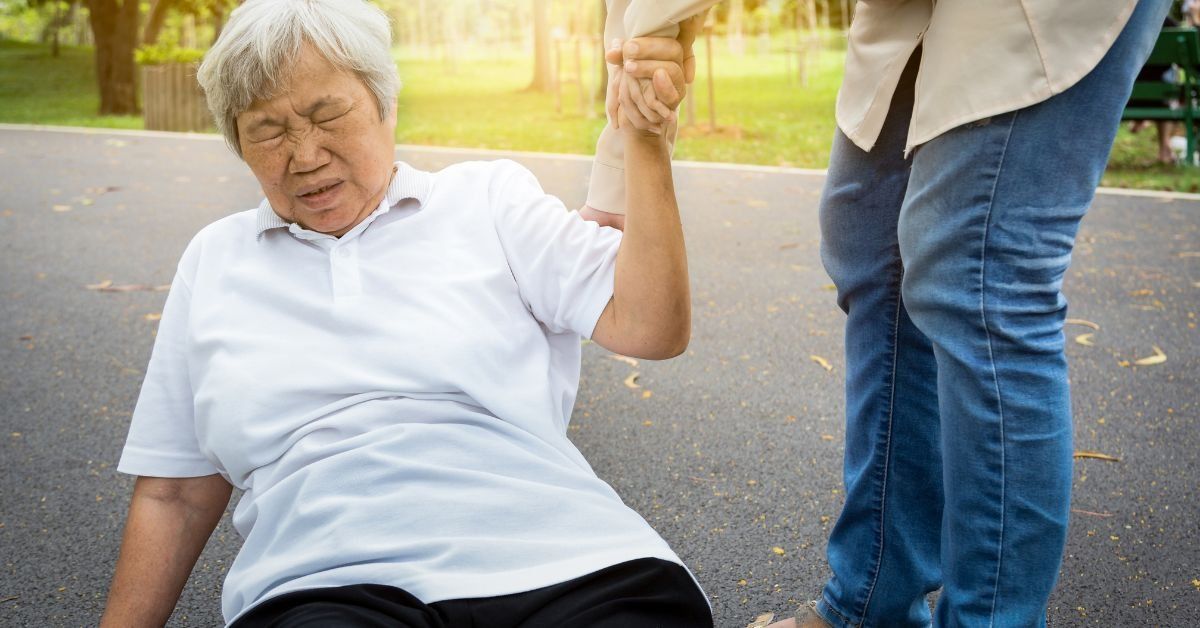
When falls happen, recovery is not straightforward. A young person bounces back from a bruised hip in days. An eighty year old might take weeks or months. The body heals more slowly. Pain lingers. Fear of falling again settles in and restricts movement further, which creates another vicious cycle. Less movement means weaker muscles. Weaker muscles mean higher fall risk. Many older adults become afraid to leave their bedrooms after one bad fall.
Strength loss affects everything. Opening jars. Carrying groceries. Lifting pots. Gripping utensils. Buttoning shirts. Pulling up pants. Tasks that once took seconds now require planning and assistance. Independence shrinks one small inability at a time. This is perhaps the hardest part for families to watch, knowing that each accommodation made today might become permanent.
The Invisible Decline in Memory and Thinking
Physical changes are visible. You can see someone moving more slowly or struggling with stairs. But cognitive changes often hide behind normal ageing until they cross a threshold where families can no longer pretend nothing is wrong.
Memory problems start subtly. Forgetting names of acquaintances. Losing track of what day it is. Walking into a room and forgetting why. Asking the same question twice in one conversation. These can happen to anyone under stress or fatigue. But in older adults, especially those developing dementia or other cognitive conditions, the pattern persists and worsens.
Word finding becomes difficult. Your mother pauses mid sentence, searching for a word that used to come instantly. She describes it instead. "That thing, you know, that we use to call people, the small one." She means her phone. Or she substitutes wrong words. Language processing is breaking down in ways that frustrate her deeply because she knows something is not right but cannot fix it.
Judgment changes in ways that worry families. Your father who was always careful with money starts giving cash to strangers claiming to need help. Your grandmother leaves the stove on after cooking. Someone clicks on obvious scam emails. Poor decisions happen not from personality change but from damaged brain circuits that assess risk and consequences.
In Singapore where many older adults handle their own finances, pay bills, and manage household tasks, cognitive decline disrupts established routines that held families together. When the person who always coordinated extended family gatherings, remembered everyone's birthdays, and organized the schedule suddenly cannot do these things anymore, the family structure wobbles.
Dementia creates particularly difficult challenges in multi generational households. Confusion worsens in the evening, a phenomenon called sundowning. Wandering happens at night when everyone else is asleep. Accusations arise. "Someone stole my wallet." "That woman took my jewelry." The accused is usually the primary caregiver who has sacrificed the most. These behaviors are symptoms of brain disease, not personal attacks, but they hurt deeply.
When Chronic Diseases Layer Together
Many older adults in Singapore live with at least one chronic condition like high blood pressure, diabetes, high cholesterol, or arthritis. Some manage three, four, or five conditions simultaneously. Each condition requires medication. Some medications interact. Some cause side effects that mimic new diseases. Untangling what is disease, what is medication effect, and what is normal ageing becomes extremely difficult.
Consider someone with diabetes and heart disease. They take pills for blood sugar control, blood pressure, cholesterol, blood thinning, and possibly pain. That is five medications minimum. Some taken once daily, some twice, some with food, some on an empty stomach. Miss one dose and blood pressure might spike. Take too much blood thinner and bleeding risk increases. Confuse pills and consequences follow quickly.
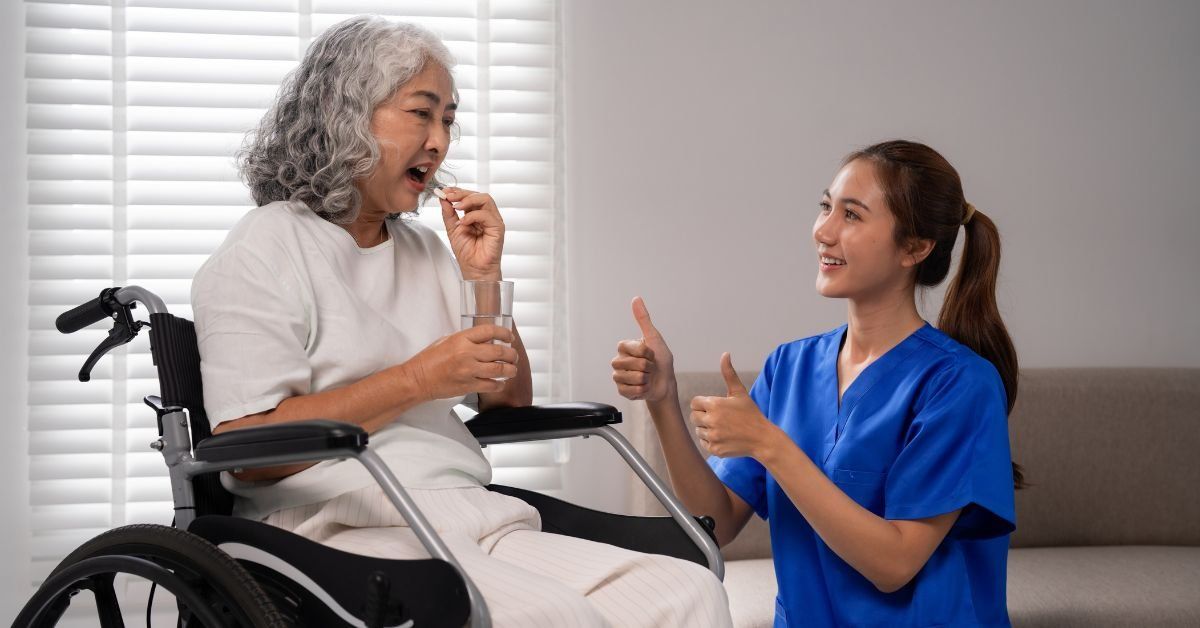
Medication management becomes a major source of stress for both older adults and caregivers. Blister packs help organize daily doses but require someone to fill them correctly every week. Phone alarms remind people to take pills but do not confirm they swallowed them. Family members worry constantly whether medications were taken properly, especially when memory is declining.
Side effects from medications sometimes cause more problems than the diseases being treated. Diabetes medication can cause dizziness and hypoglycemia. Blood pressure pills can lower blood pressure too much, increasing fall risk. Pain medication causes constipation, which is already a common problem in older adults who drink less water and move less. Constipation causes abdominal discomfort, reduces appetite, and worsens mood.
The combination of multiple diseases and multiple medications creates a fragile equilibrium. Any small change can tip the balance. A mild infection that a younger person would shake off in days can hospitalize an eighty year old because their body cannot fight and compensate simultaneously. Recovery from even minor illnesses takes weeks instead of days.
How Sleep, Pain, and Mood Weave Together
Good sleep becomes harder with age. Older adults wake up multiple times during the night to use the bathroom due to weaker bladder control and prostate issues in men. Sleep itself becomes lighter and less restorative. Pain from arthritis worsens at night when lying still. Restless leg syndrome creates uncomfortable sensations that prevent sleep. Medications cause vivid dreams or nighttime confusion.
Chronic sleep deprivation has profound effects. Daytime fatigue increases fall risk. Cognitive function worsens, making memory problems more pronounced. Mood deteriorates. Irritability rises. Depression becomes more likely. When families notice their ageing parent becoming more withdrawn, less interested in activities they once enjoyed, and sleeping during the day, they often dismiss it as laziness or age. But it is often untreated depression layered with poor sleep and unmanaged pain.
Pain itself deserves more attention than it usually gets in older adults. Arthritis pain is constant for many elderly people. Back pain from decades of work and compressed vertebrae limits movement. Neuropathic pain from diabetes creates burning sensations in feet. Post surgical pain lingers far longer than expected. All of this pain is chronic, meaning it never fully goes away. Living with daily pain exhausts people emotionally and physically.
When pain, poor sleep, and depression combine, quality of life plummets. The person who used to walk to the market every morning now stays home. They stop cooking favourite dishes. They decline invitations to family gatherings. They sit in one spot for hours, lost in thoughts. Family members see personality change but may not recognize it as treatable medical conditions affecting brain chemistry and physical comfort.
The Bathroom Becomes a Battlefield
One of the most distressing geriatric conditions for both older adults and families is loss of bladder and bowel control. Incontinence is rarely discussed openly due to shame and embarrassment, but it affects a significant number of elderly people and dramatically changes daily life.
Urinary urgency means needing to reach the toilet within seconds or accidents happen. In HDB flats where bedrooms may be several rooms away from the bathroom, those seconds are not enough. Some older adults stop drinking water to reduce bathroom trips, which leads to dehydration, confusion, and increased infection risk. Others become homebound, afraid to travel anywhere without knowing exactly where toilets are located.
Bladder leakage happens with coughs, sneezes, or laughter, especially in women who have had multiple children. Protective pads help but feel humiliating to someone who maintained dignity and cleanliness their entire life. The constant worry about smell, visible wetness, and changing pads adds mental burden on top of physical inconvenience.
Bowel control problems are even more isolating. Constipation alternates with sudden urgency and diarrhea. Some medications cause constipation while others loosen bowels. Elderly people may struggle to reach the toilet in time or clean themselves properly afterward. Family members find themselves helping with the most intimate and undignified aspects of care, something neither generation ever imagined would happen.
These bathroom related issues chain into other problems. Fear of accidents makes people hesitant to walk around. Less walking weakens muscles. Weak muscles increase fall risk and constipation. Constipation requires straining, which can cause dizziness and fainting. The web tightens again.
Why Meals and Nutrition Quietly Deteriorate
Families often notice their ageing parent eating less or skipping meals, but they attribute it to reduced appetite rather than seeing it as part of larger geriatric conditions. Multiple factors converge to make eating difficult and less enjoyable for older adults.
Taste and smell diminish significantly with age. Food that once delighted the senses now tastes bland. Salt and sugar become harder to detect, leading some older adults to over season their food, which conflicts with medical advice to limit sodium for blood pressure and sugar for diabetes. Others simply lose interest in eating because food gives no pleasure.
Dental problems are widespread among Singapore's elderly population. Missing teeth, ill fitting dentures, gum disease, and mouth pain make chewing difficult. Swallowing becomes harder when mouth muscles weaken and saliva production decreases. Certain textures become impossible to manage. Tough meats, raw vegetables, rice that is not soft enough all present challenges. Many older adults shift to softer processed foods that are easier to chew but nutritionally inferior.
The physical act of preparing meals becomes exhausting when strength and coordination decline. Chopping vegetables, lifting pots, standing long enough to cook a proper meal all require stamina that many older adults no longer have. Those who live alone may resort to eating bread, biscuits, or instant noodles rather than cooking. Poor nutrition accelerates every other geriatric condition. Muscle loss speeds up without adequate protein. Wound healing slows. Immune function weakens. Cognitive decline accelerates.
Social isolation makes eating even less appealing. Singaporeans are accustomed to communal eating. Meals are social events. But older adults who can no longer travel easily to family gatherings, who have lost spouses, whose friends have passed away or moved often eat alone in silence. Food loses meaning when there is nobody to share it with.
The Spiral of Inactivity and Frailty
Geriatricians use the term frailty to describe a state where multiple systems in the body are failing simultaneously and even minor stresses cause major setbacks. A frail elderly person might manage daily routines while staying home but cannot handle the added demand of a mild cold or a hospital visit or a change in medication without tipping into crisis.
Frailty does not happen overnight. It builds gradually as activity levels decrease. Someone who stops their morning walks because their knees hurt loses leg strength. With weaker legs, walking becomes harder, which reduces activity further. Less activity means weight gain or unhealthy weight loss depending on eating patterns. Body composition changes, with muscle being replaced by fat even if total weight stays the same. This makes the body weaker even at the same weight.
Social withdrawal accelerates frailty. When older adults stop visiting friends, attending religious services, participating in community activities, they lose the natural movement that daily life provides. They also lose mental stimulation. The brain needs challenge and variety to maintain function. Sitting home watching television day after day does not provide sufficient cognitive exercise.
Helpers and domestic workers play a crucial role here, though sometimes unintentionally in harmful ways. When a well meaning helper does everything for an ageing person, dresses them, bathes them, cuts their food, brings everything to them, it reduces the older adult's daily movement and independence. Muscles that are not used atrophy quickly. Skills that are not practiced disappear. The helper may think they are being kind and efficient, but they may be accelerating decline.
Families must find the balance between necessary assistance and maintaining whatever independence remains. Let your father button his own shirt even if it takes five minutes. Let your mother walk to the table even if you could carry her meal to her chair. These small acts of doing for themselves keep muscles working and maintain dignity.
When Stroke and Parkinson Type Conditions Arrive
Some geriatric conditions appear suddenly and change everything overnight. Stroke is one of them. One moment your parent is speaking normally, the next their face droops, their speech slurs, their arm hangs limp. Or sometimes the changes are subtler. They complain of dizziness, their vision blurs, they seem confused. These are medical emergencies requiring immediate hospital care, but not all families recognize the signs quickly enough.
After a stroke, recovery is long and partial. Some function returns with intensive rehabilitation, but many stroke survivors live with permanent disabilities. One sided weakness makes walking difficult and dangerous. Fine motor control is lost, making dressing, eating, and personal care challenging. Speech problems isolate people who can no longer express themselves clearly. Swallowing difficulties require dietary changes and careful monitoring to prevent choking or aspiration pneumonia.
Movement disorders like Parkinson disease create different but equally challenging problems. Tremors, stiffness, slow movement, and balance problems all worsen gradually over years. Walking becomes shuffling. Falls increase. Facial expressions flatten, giving the impression of depression or disinterest even when the person is fully present mentally. Writing becomes small and illegible. Voice gets softer until communication becomes difficult.
These conditions demand significant caregiver time and physical strength. Helping someone who has one sided weakness requires proper lifting and transfer techniques to avoid injuring both the caregiver and the patient. Bathing someone with balance problems is risky in wet bathrooms. Every task takes longer and requires more planning.
In Singapore homes, space limitations make these care needs particularly difficult. Wheelchairs and walkers barely fit through doorways. Bathrooms lack grab bars and space for a shower chair. Bedrooms may not have room for hospital beds or bedside commodes. Families must choose between safety modifications that crowd living spaces and leaving things as they are at higher risk.
The Silent Weight of Caregiver Burden
While medical professionals focus on the older adult's geriatric conditions, family caregivers carry a load that often goes unrecognized until they reach breaking point. In Singapore families, caregiving usually falls on one person, typically a daughter or daughter in law who may also be working, raising children, and managing her own household.
Caregiving is physically exhausting. Helping someone in and out of bed, to the bathroom, into the shower, into a chair requires strength and stamina. Doing this multiple times per day while managing medications, preparing special meals, arranging medical appointments, and maintaining the household depletes energy reserves quickly. Sleep is interrupted by nighttime bathroom needs or wandering. There are no days off from caregiving. The responsibility is constant.
The emotional toll may be heavier than the physical burden. Watching a parent decline is painful. Seeing someone who once cared for you now dependent on you for basic needs reverses the natural order and creates complex feelings. Guilt arises constantly. Am I doing enough? Should I quit my job to care for them better? Should we consider a nursing home? Each decision feels like a measure of love and duty.
Caregivers often sacrifice their own health. They skip their own medical appointments. They eat poorly and irregularly. They stop exercising. They isolate from friends because they have no time or energy for social life. Their own chronic conditions develop or worsen from stress and neglect. Studies show caregivers have higher rates of depression, anxiety, and physical illness than their peers.
Family relationships strain under caregiving pressure. Siblings who do not share the load equally become sources of resentment. Spouses of caregivers feel neglected. Children miss parental attention. Financial stress builds when someone reduces work hours or leaves employment to provide full time care. Extended family members offer opinions and criticism without offering practical help, which adds frustration rather than support.
How Singapore's Living Spaces Affect Elderly Care
The physical environment shapes how manageable geriatric conditions are at home. Singapore's housing reality creates specific challenges. HDB flats are compact. Three or four generation families share limited space. Privacy is minimal. Bedrooms are small. Bathrooms are often wet and slippery. Kitchens are narrow.
Many older HDB flats lack lifts or have lifts that stop only at certain floors, meaning stairs remain unavoidable. For older adults with mobility problems, stairs become insurmountable barriers that trap them inside their homes. Some literally cannot leave their flats for months or years. This level of confinement is devastating for mental health and accelerates physical decline.
Even in flats with lifts, getting from the bedroom to the front door presents obstacles. Thresholds between rooms create trip hazards. Doorways may be too narrow for wheelchairs or walkers. Corridors are cluttered with furniture, shoes, and stored items. Lighting is often dim, making navigation harder for eyes that have weakened with age. Wet areas outside toilets and kitchens are perpetually dangerous.
Bathrooms in older HDB flats are particularly hazardous. Small spaces mean no room for shower chairs or grab bars. Floors are tiled and frequently wet. The toilet itself may be too low to rise from without assistance. Bathing becomes a major undertaking requiring family help, which strips away the last bits of privacy and dignity.
Modifications help but require money and coordination. Installing grab bars, raising toilet seats, changing to slip resistant flooring, improving lighting all cost money that many elderly families do not have. Some modifications require HDB approval. Others need skilled contractors. The bureaucracy and expense create barriers that leave dangerous situations unchanged.
Multi generational living brings both benefits and challenges. Extended family means more eyes watching for problems and more hands to share care duties. But it also means crowding, noise, and reduced privacy for everyone. Grandchildren need quiet for homework. Parents need sleep before work shifts. The older adult needs frequent bathroom access and may wander at night. Balancing everyone's needs in limited space creates constant tension.
What Quality of Life Actually Means in Later Years
Medical professionals and families often speak about maintaining quality of life for older adults with geriatric conditions, but what does that phrase actually mean? For someone in their eighties living with multiple health problems, quality of life is not about adventure travel or achieving new goals. It becomes about much smaller, more fundamental needs.
Quality of life means waking without severe pain. It means being able to use the toilet independently or with minimal help. It means eating food that tastes good and satisfies hunger. It means sleeping well enough to feel somewhat rested. It means recognizing family members and following conversations even if memory for recent events has faded. It means maintaining some choice and control over daily routines, even tiny choices like what time to wake up or what to wear.
Social connection matters enormously. An older adult who sees family members daily, who receives visits from friends, who participates in family decisions feels valued and connected to life. Those who are isolated, who spend entire days without meaningful conversation, whose opinions are no longer sought lose motivation and decline faster. Simply being present in the household living area rather than confined to a bedroom changes everything.
Dignity is central to quality of life. Being treated as a person worthy of respect rather than as a burden or a child maintains self worth. Having help offered rather than imposed preserves agency. Being included in discussions about care decisions honors their remaining autonomy. Avoiding humiliation during intimate care like bathing and toileting protects their sense of self.
For families, understanding that perfect health is not the goal helps reduce frustration and guilt. The goal is maximizing comfort, maintaining connections, and preserving whatever independence is possible. Accepting decline while still fighting to slow it creates a more realistic and sustainable approach to caregiving.
When Home Care Reaches Its Limits
Most Singapore families start with a strong commitment to keeping ageing parents at home. This is driven by cultural values of filial duty, practical financial realities that make nursing home care expensive, and genuine love and loyalty. But home care has limits that families must recognize honestly.
When an older adult needs constant supervision due to dementia and wandering, someone must be present twenty four hours daily. When incontinence requires frequent pad changes and cleaning, the physical and emotional demands escalate. When aggressive behavior emerges from brain disease, safety becomes a concern. When medical needs exceed what family members or domestic helpers can manage, professional nursing becomes necessary.
Some conditions require equipment and skills that homes do not have. Intravenous medications, wound care, oxygen therapy, tube feeding all need trained medical personnel. Families who try to manage these alone risk complications, infections, and medical emergencies that could have been prevented with proper care.
Caregiver collapse is real. When the primary caregiver becomes physically ill or emotionally unable to continue, the entire care arrangement fails suddenly. Recognizing caregiver limits before reaching crisis allows for better planning and transition to other care options.
Professional home care services can bridge the gap between family care and institutional care. Having trained nurses visit for wound care, medication management, or physical therapy reduces family burden while allowing the older adult to remain home. Some families hire live in caregivers with medical training who can handle both personal care and medical needs. These arrangements cost money but preserve home life while ensuring proper care.
The Role of Rehabilitation in Managing Decline
One aspect of geriatric care that often gets overlooked is rehabilitation. When families think of their ageing parent's conditions as permanent and unchangeable, they miss opportunities for improvement. While geriatric conditions cannot be cured, many can be improved through targeted rehabilitation.
Physical therapy helps rebuild strength after illness or injury, improves balance to reduce fall risk, teaches safe transfer techniques, and maintains whatever mobility remains. Even someone who has been weak and sedentary for months can regain some function with consistent physiotherapy. The body remains capable of adaptation and strengthening at any age, though progress is slower than in younger people.
Occupational therapy focuses on daily living skills. Therapists teach adaptive techniques for dressing, bathing, and eating when physical limitations exist. They recommend equipment and home modifications that increase independence and safety. They help people relearn skills lost after stroke or adapt to progressive conditions like Parkinson disease.
Speech therapy addresses swallowing problems that arise after stroke or from muscle weakness. Therapists teach exercises to strengthen swallowing muscles and techniques to eat more safely, reducing choking and aspiration risk. They also work on speech clarity and finding alternative communication methods when speech is severely affected.
The key to rehabilitation success in older adults is starting early and maintaining consistency. Waiting weeks or months to begin therapy after a stroke or hospital discharge means losing valuable recovery time. Muscles weaken rapidly with bed rest. Skills fade without practice. The sooner rehabilitation begins, the better the outcomes.
For conditions like dementia where decline is progressive, rehabilitation focuses on maintaining current abilities as long as possible rather than improvement. Physical activity, cognitive stimulation, social engagement all slow decline. These do not reverse dementia, but they keep the person functioning at a higher level for longer. This buys time and preserves quality of life.
Making Sense of It All for Your Family
Understanding geriatric conditions fully means seeing them not as isolated medical diagnoses but as interconnected changes that ripple through every aspect of an older person's life and their family's life. The unsteady walking, the memory gaps, the bathroom accidents, the medication confusion, the social withdrawal, the sadness all form one picture of a body and mind struggling to maintain equilibrium as systems weaken.
Singapore families face particular pressures. Space is limited. Financial resources may be stretched. Cultural expectations of filial duty are strong. Domestic helpers are available but need proper training and supervision. The healthcare system is good but can feel fragmented when coordinating between multiple specialists.
The most important insight is that geriatric conditions are manageable even when they are not curable. Getting expert assessment early makes a huge difference. A geriatric specialist understands how conditions interact in older bodies. They can streamline medications, identify reversible problems, coordinate care across specialists, and guide families through difficult decisions.
Alami Clinic approaches these complex situations with the understanding that comes from years of working specifically with Singapore's ageing population. The team recognizes that treating the medical conditions is only part of the work. Supporting the family, training caregivers, adapting care plans to what is actually possible in each unique home situation, connecting families with appropriate community resources, all of this sits alongside medical treatment.
What families need most is a healthcare partner who sees the whole picture, who takes time to explain rather than rushing through consultations, who responds when problems arise, and who helps the family feel less alone in navigating the long journey of managing multiple geriatric conditions. This kind of comprehensive geriatric care acknowledges that medical excellence must combine with human compassion to truly serve older adults and their families.
The path forward is not about stopping ageing. That is impossible and chasing that goal only brings disappointment. The path is about understanding what is happening, why it is happening, what can be improved, what must be adapted to, and how to maintain the highest quality of life possible through the changes. With proper support, information, and care, families can manage even complex geriatric conditions while preserving dignity, connection, and moments of genuine joy within the challenges.
Imran Shah
Imran Shah is a pharmacist and co-founder of Alami Clinic, a community-focused medical practice in Singapore that specialises in geriatric care and general health services. At the clinic, he serves as a pharmacist and one of the leaders helping run the practice alongside his co-founder and wife, geriatrician Dr Nur Farhan Alami.
Learn more about our team →